
Citizen group takes first step in initiative process
Excellence for Culver City Schools submitted documents to begin the process of gathering signatures to qualify a sliding scale parcel tax measure for the 2026 General Election Ballot
Culver City’s citizen-led parcel tax initiative, a proposed local property tax specifically for funding the city’s school district, will be ready for the public soon.
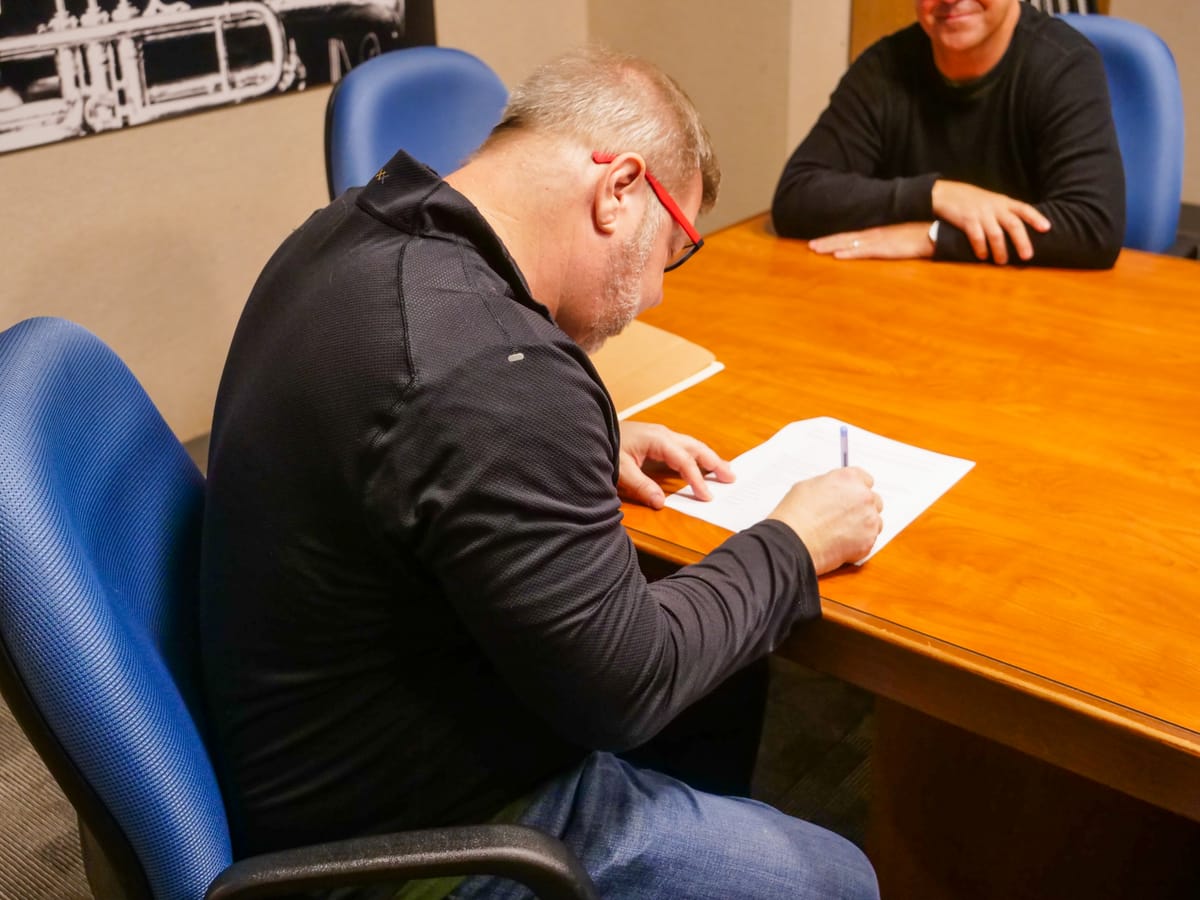
Excellence for Culver City Schools (ECCS), the parent-led group working to pass a citizen’s initiative parcel tax this year, officially submitted documents to the city on Monday to begin the process of trying to place a parcel tax initiative on the ballot. The goal is to raise money for the Culver City Unified School District, which is facing financial turmoil that led to a direct $2.5 million contribution from the city to avoid continued cuts.
 Christian May-Suzuki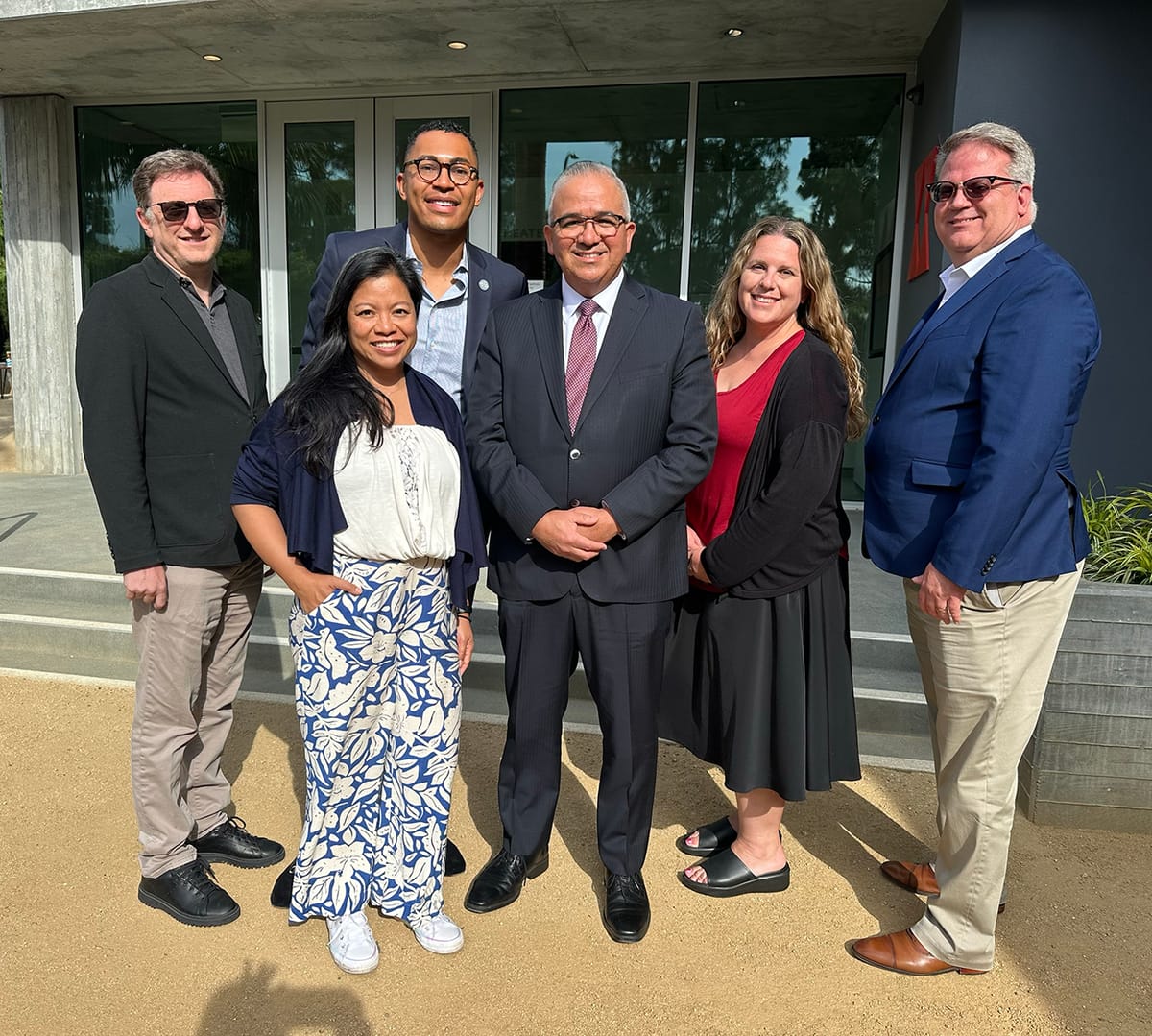
CCUSD is obligated to place a parcel tax measure on a 2026 ballot as part of the agreement tied to the contribution, but would not have to if ECCS garners the support to get its proposal approved. A measure put forward by a citizen group would only require a simple majority (50% plus one voter) to pass, while a district-led effort would require a two-thirds majority.
Citizens’ initiatives have been allowed in California since 1911, and voters have decided on 444 citizen-initiated proposals, according to Ballotpedia. These citizen-led policies have been approved 36% of the time, compared to 69% for those proposed by legislators.
Here is how ECCS can make its sliding scale parcel tax a reality:
Approval and Notification
Before a group can begin gathering signatures to get a citizens' initiative on the ballot, it must first be approved by the state through a formal submission process.
Several pieces of information are required, and must be submitted while following specific guidelines. ECCS submitted and signed these documents Monday to City Clerk Jeremy Bocchino, which included the following:
- Ballot Purpose: In order to create a formal ballot title and summary, a written statement on what the initiative hopes to accomplish must be submitted to the city attorney’s office. This statement must be 500 words or fewer, but a specific approach to counting (e.g., treating “Culver City” as one word) provides additional leeway.
- Notice of Intent: This statement declares the petitioner’s intent to circulate and gather petition signatures, as well as explains the reasons for the petition. This notice is published with the official ballot title and summary from the city attorney’s office before signatures can be gathered.
- Signed Acknowledgment Statement: This acknowledgment serves as an oath that the signatures gathered for the ballot measure will not be used for any other purpose than to submit them as part of the initiative approval process.
After these documents are submitted, petitioners receive a response within 15 days. If approved, an official ballot title and question are issued. The notice of intent must be published in an adjudicated newspaper. An affidavit confirming the publication is required before the initiative can proceed.
Signature Gathering
Once the initiative is approved and notice is published, advocates may begin gathering the support needed to get it on the ballot.
Signatures must be gathered and submitted within 180 days of receiving the official ballot title and summary. Several guidelines ensure the veracity of signatures. One of the most prominent is that the full text of the measure — including the title, question, and intent — must be attached to each signature. This requirement results in long sheets of paper used to collect signatures.
Any number of these sheets may be submitted, but all must be submitted together for county approval. The county takes about 30 business days (45 days) to validate signatures, check for duplicates, and address other issues. All signees must be registered to vote in Culver City for their signature to count. The county will most likely verify each submitted signature rather than use sampling.
There is no curing process, so ECCS has one opportunity to submit its petition’s signatures. The threshold for signatures is 10% of the registered voters in the LA County Report of Registration, as of the date the notice of intent was published, which is 2,913.
Bocchino recommended that ECCS aim to reach 30% above the requirement to account for potential issues, which is 3,787. ECCS has an internal goal of 4,000 signatures.
Getting on the Ballot
Once initiative signatures are verified, the city council considers it at its next regular meeting. The council cannot refuse an initiative with enough signatures but may request a report on its impact before approving it for the ballot. That report must be completed within 30 days of county signature approval.
A citizens’ initiative must complete the approval process at least 88 days before the election it will be voted upon, which would place the due date for the initiative to be included on the 2026 California General Election ballot at August 7.
For more information, view California Election Codes 9200 through 9295, which outline the guidelines around citizens’ initiatives in local municipalities.
To learn more about Excellence for Culver City School and their proposed ballot measure, view their website here.


Comments ()