
Culver City revenues up in mid-year budget report
The city council approved a mid-year budget report recommending more than $6.5 million in projected revenue for the 2025-26 Fiscal Year at its meeting Monday night
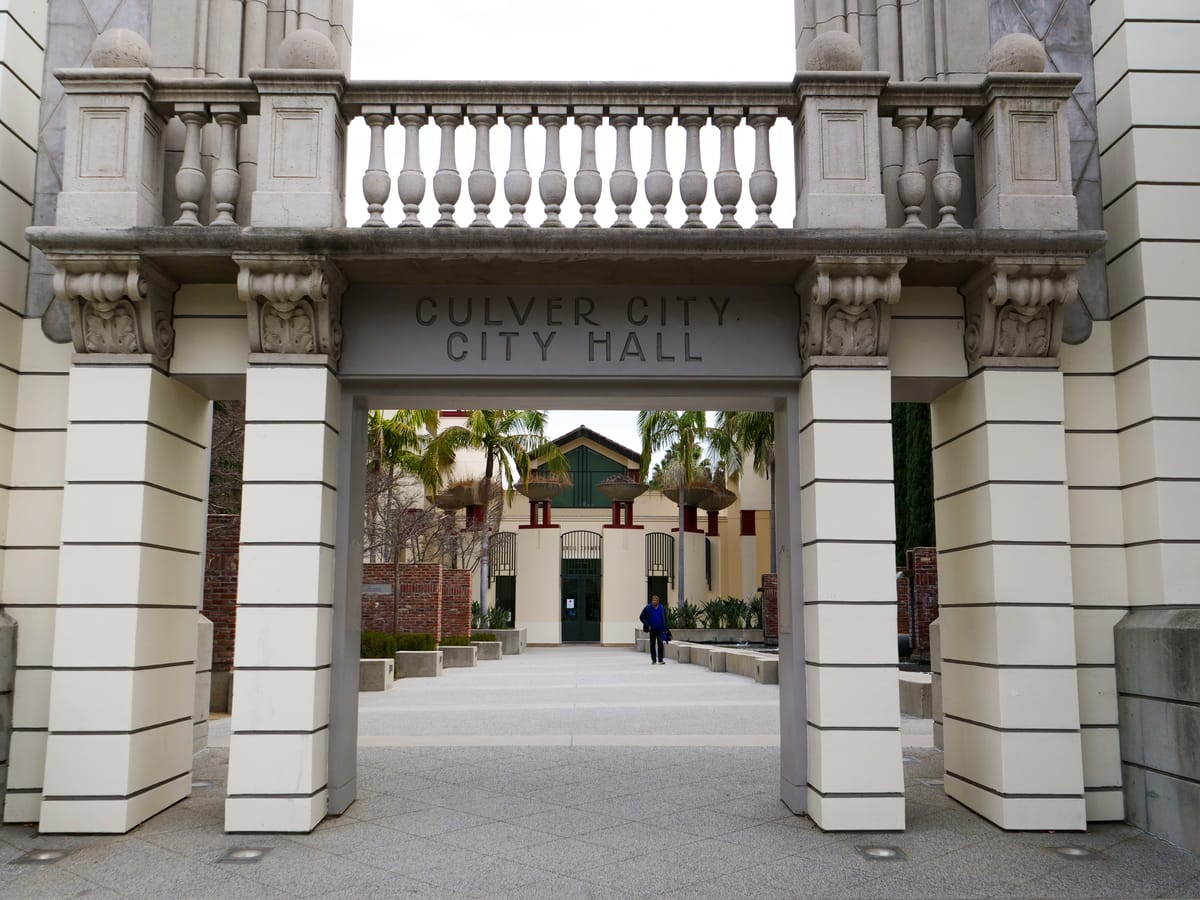
Culver City’s budget is faring better than expected at mid-year, prompting city staff to recommend over $6.5 million in net revenue increases for the 2025-26 Fiscal Year outlook in its mid-year budget report presented at Monday night’s city council meeting. A large chunk of revenue from property sales and increased fee payments has led to better-than-expected outcomes from several of the city’s revenue streams.
Expenditures are also already more than halfway past their projected budget totals at the middle of this fiscal year, which runs from July 1, 2025 to June 30, 2026. This comes primarily due to the increasing cost of city employee liability payments through the California Public Employees' Retirement System (CalPERS), which has cost the city $8.2 million more than expected so far this year. The report also ties the $2.5 million payment to the Culver City Unified School District to higher-than-expected spending over the first six months of the fiscal year, but most city departments are expected to remain within budget.
The city’s Finance Department releases an annual mid-year budget update that includes enhancement requests from departments. Most approved requests this year are from the Fire Department, including $475,000 in one-time funds for a vehicle for the new Advanced Provider Unit (APU), $75,000 for a new Fire Tower generator, and $50,000 ongoing to replace batteries and LCD screens on parking meters.
The first purchase supports moving a nurse practitioner from Housing and Human Services to the Fire Department, with the goal of consolidating city medical services. The two-person APU team, a nurse practitioner and Firefighter/Paramedic, will bring street medicine services back in-house and collaborate with the Mobile Crisis Team to serve unhoused residents.
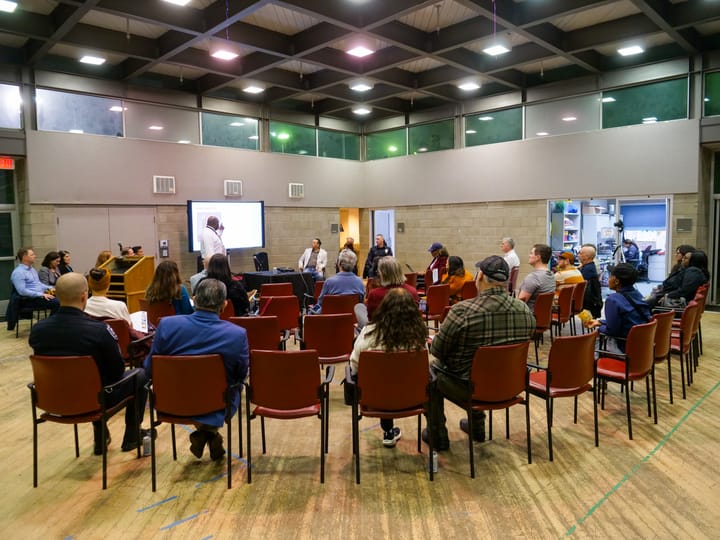
Assistant Fire Chief Roger Braum said that the vehicle purchased for the APU, expected to launch in the next six to 10 months, will be the same Paramedic Rescue Ambulance the Fire Department currently uses for calls. He explained Monday night that there were 64 instances in 2024 when the Fire Department had to transfer a patient to another unit because no vehicle was available. In 2025, there were 1,300 times when all of the department’s vehicles were occupied, and this vehicle purchase can help decrease that number.
“We can also use it as a transport unit when none of our ambulances are available,” Braum said of the APU vehicle at Monday’s meeting. “There are additional things we can do to increase revenue with this unit.”
Additionally, Councilmember Dan O’Brien asked city staff to consider removing block party permit fees. These fees rose after the 2025 User Fee Study, and residents have expressed their displeasure at Community Conversations with the new City Manager, Odis Jones. Following this fee study, city staff plans to reevaluate fees every April, and the council directed staff to include a report on block party fees during the process this year.
 Christian May-Suzuki
While it is not legally permissible for the city to charge more than it costs to provide services, the city was able to increase many of its service-related fees that require city staff time or resources. The city has received approximately 49% of its anticipated revenues from these fees, and the mid-year budget report recommends a small increase in anticipated revenue from these charges for the 2025-26 Fiscal Year.
Planning and Building Safety Permit costs were also increased as part of the User Fee Study, and these sources also performed better than anticipated in the initial budget process. Revenues as of December 31, 2025, were $2.67 million or 75% of the Revised Budget’s projection.
Many of the city’s revenue sources can fluctuate dramatically with business activity, and key streams have performed favorably so far this fiscal year. Chief among these sources is the Real Property Transfer Tax, which was bolstered by a $72.5 million sale of the Corporate Pointe office last July. This contributed to the city receiving $5.2 million in Real Property Transfer Tax revenue over the first five months of the fiscal year, more than four times the amount collected at the same time last year.
Fresh off the passage of Measure CL, Culver City’s sales tax revenue — the city’s largest money generator — is also anticipated to increase. Measure CL’s 0.25% sales tax bump went into effect on January 1. It is expected to raise approximately $2.4 million over the final two quarters of the fiscal year, leading to a $3 million increase in the city’s revenue estimate.
The council unanimously approved the mid-year report and the purchase orders included with it. Read the full mid-year budget report here.
Comments ()