
Five Things for Culver City to look out for in 2026
A new year in Culver City promises fresh experiences and events for residents to look forward to and look out for
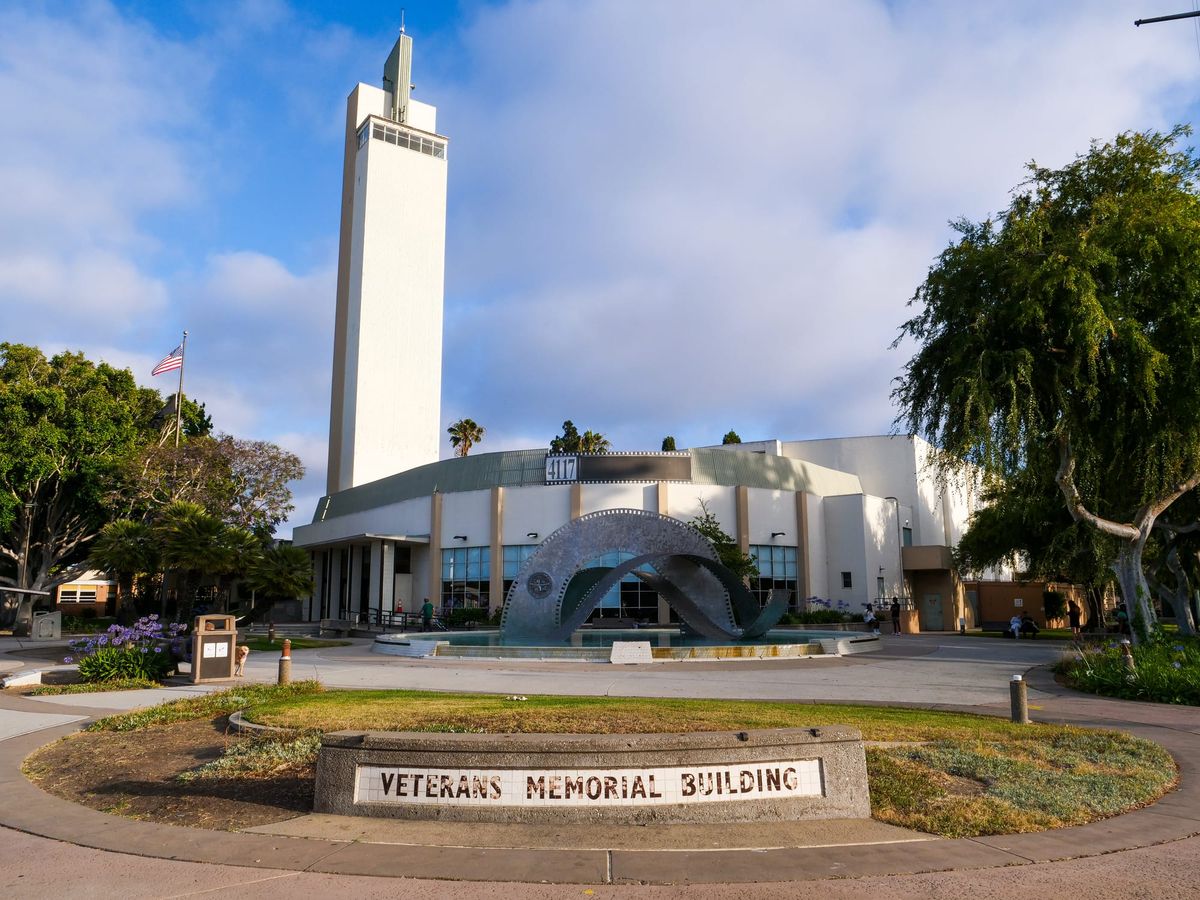
The year 2026 will bring excitement and intrigue to Culver City, both through events held on the global stage and others right here at home. Here are five things for Culver City residents to look out for in 2026.
2026 FIFA World Cup
Los Angeles will be one of several United States venues for the 2026 FIFA World Cup, where 48 countries will compete for the greatest prize in soccer.
Countries are first assigned to a Group along with three other teams, with whom they will play against to determine where they place in the Knockout Stage Bracket. Los Angeles will play host to both the Group Stage and Knockout Stage play, and fans will have multiple opportunities to watch the United States of America play live, though tickets are currently subject to a Random Selection Draw until Jan. 13, after which remaining tickets will be sold on a first-come, first-served basis or can be found on the resale market.
The full Los Angeles Schedule for the World Cup is as follows:
- June 12: Group D - USA vs Paraguay
- June 15: Group G - Iran vs New Zealand
- June 18: Group B - Switzerland vs Winner of UEFA Playoff A (Bosnia and Herzegovina, Italy, Northern Ireland, or Wales)
- June 21: Group G - Belgium vs Iran
- June 25: Group D - USA vs Winner of UEFA Playoff C (Kosovo, Romania, Slovakia, or Turkey)
- June 28: Round of 32 - 2nd Place in Group A (Mexico, South Korea, South Africa, or Winner of UEFA Playoff D) vs 2nd Place in Group B (Canada, Switzerland, Qatar, or Winner of UEFA Playoff A)
- July 2: Winner of Group H (Spain, Uruguay, Saudi Arabia, or Cape Verde) vs 2nd Place in Group J (Argentina, Austria, Algeria, Jordan)
- July 10: FIFA World Cup Quarter Finals
Culver City is preparing to host watch parties and festivities for the occasion through a special City Council subcommittee, which is also working on plans for the 2028 Olympics. According to Mayor Freddy Puza, the 2026 World Cup will serve as a sort of rehearsal for the Olympics, allowing the city to fine-tune logistics for the larger event in 2028.
 Christian May-Suzuki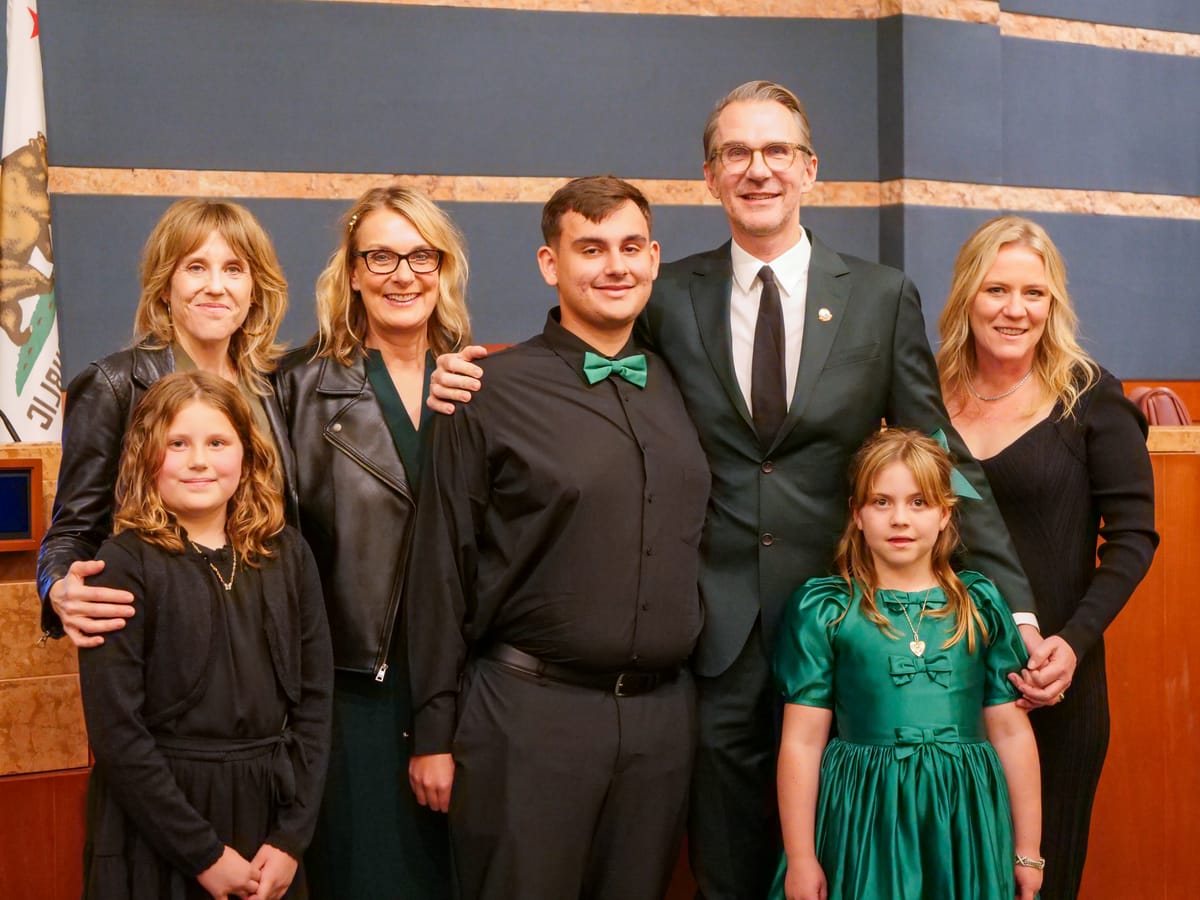
Slow Tech at Culver City Schools
With 2026 also comes the countdown for schools to comply with AB 3216 — the Phone-Free Schools Act — which requires that school districts statewide establish a cell phone policy by July 1. The details of that policy are up to each individual district, but a parent group in Culver City is pushing for a drastic change to the way that
CC Families for Slow Tech is advocating for a cell phone-free school experience. The group was inspired by Jonathan Haidt's book The Anxious Generation, which argues that the unique technology of modern smartphones has shifted the culture of children's socialization and play, leading to an increase in mental health problems among teens.
Reasons for wanting to halt cell phone use at school are wide-ranging, from trying to prevent the “brain drain” that comes with endless surfing of the internet to eliminating the risk of their children being exposed to pornography, with one study showing the median age for intentional exposure to pornography was just 13 among boys.
While parents have many ideas for what this phone-free environment could look like, the district is the ultimate decision-maker. CCUSD has already established a committee to evaluate its options, and the finalized policy will be presented to the Board of Education for final approval.
Measure CL and a capped Sales Tax
As of January 1, the 0.25% sales tax increase approved by Culver City voters through Measure CL has taken effect, raising the sales tax businesses charge in Culver City to the current legal limit of 10.75%. This was done to ensure that revenue from a potential tax increase would help fund Culver City services rather than going to LA Metro or the City of Los Angeles.
Some business owners worried this move would discourage shoppers from patronizing their businesses, while others viewed it as a bailout for a city council seen as irresponsibly spending money. However, many city organizations and political bodies, including the Culver City Chamber of Commerce and all five Culver City council members, publicly supported Measure CL.
With the city of Los Angeles making $1 billion in cuts to address a shortfall in its 2025-26 fiscal year budget, and LA Metro facing a $2.3 billion deficit until 2030, Culver City officials felt an urgency to pass the tax during this budget cycle. If Los Angeles or LA Metro passed a sales tax increase on the same ballot that Culver City did, the latter’s Measure would be deemed invalid and would be replaced by the former’s Measure, resulting in sales tax being levied in Culver City that would not be used for its own purposes.
Measure CL is expected to generate approximately $5.6 million annually, providing significant support to a budget that would otherwise be in dire straits. Over the next 10 years, Measure CL is expected to bolster the city’s General Fund reserve by $61.3 million, with a projected reserve of $65.8 million in Fiscal Year 2034-35 with Measure CL compared to just $4.5 million without.
 Christian May-Suzuki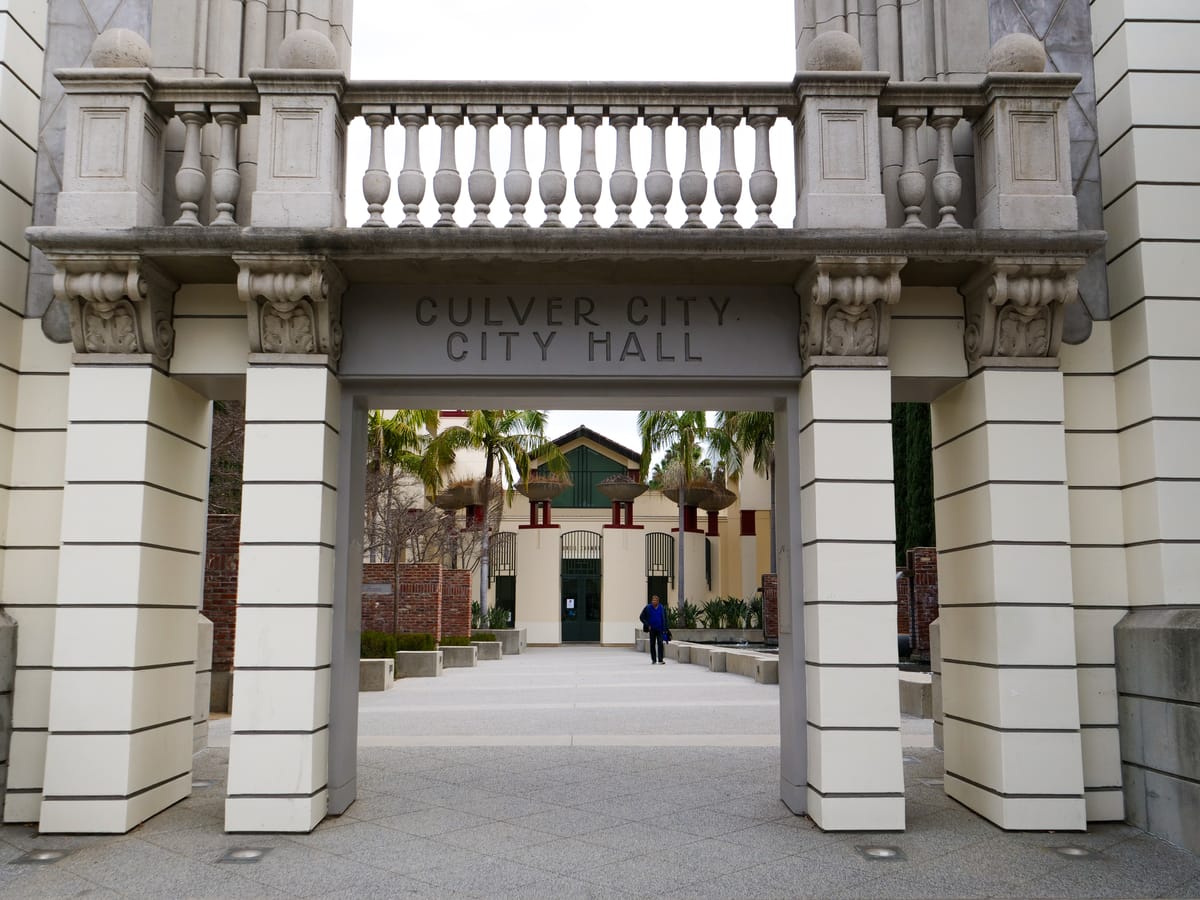
A Parcel Tax for Culver City Schools
As part of a $2.5 million contribution from the City of Culver City to the Culver City Unified School District, a parcel tax meant to help raise capital so the District does not rely on ongoing city support.
While there are efforts at the District level to organize a parcel tax measure, the community is also actively working to pass a parcel tax to provide much-needed funding for Culver City schools. Community group Excellence for Culver City Schools is currently proposing to implement a sliding-scale parcel tax, charging a rate based on the size of the parcel on which a property is located.
According to the group, the average homeowner in Culver City would pay approximately $800 per year, while corporate landowners like Amazon would be capped at $15,000 per year. While the details and language of the tax proposed are expected to be finalized in the next two weeks, the consensus among those present at an initial Town Hall on November 13, 2025, was to provide a blanket exemption for seniors living in Culver City.
In order for this tax to qualify for the ballot, Excellence for Culver City Schools must collect a minimum of 2,819 signatures, which is 10% of the total number of registered voters in the most recent election involving California’s Governor, by June 28. However, the group has set a goal of 4,000 signatures to demonstrate the viability of the parcel tax.
If this citizen’s initiative effort is successful and a measure is placed on a 2026 ballot, it would only need a simple majority (50% + one voter) to pass. If the parcel tax measure is one proposed by the Culver City Unified School District, it would be considered a “special tax” under 1996’s Prop 218, and would require a two-thirds majority vote to pass.
 Christian May-Suzuki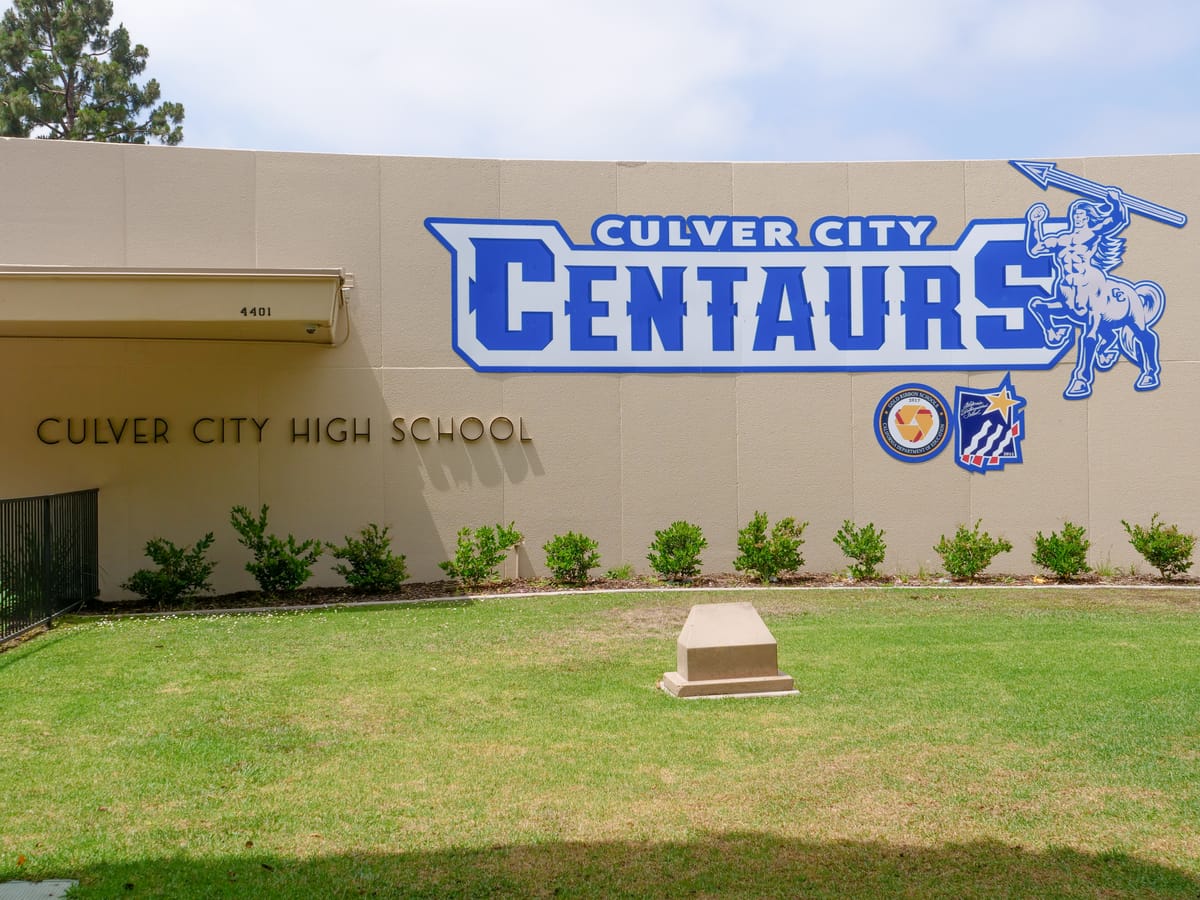
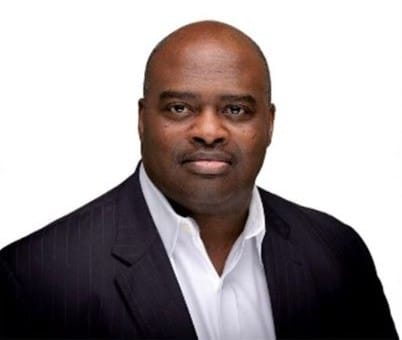
Odis Jones begins tenure as City Manager
While he officially took office several weeks ago, 2026 is the first year in over a decade that Culver City has had a new city manager.
Odis Jones was selected to serve as Culver City’s City Manager on December 8, 2025, following former City Manager John Nachbar's retirement after 15 years in the position. Jones has served in a variety of roles over his more than 30-year-long career in city management, including as Economic Development Director for the New Jersey Economic Development Authority, Executive Director of Economic and Community Development in Cincinnati, and CEO of the Public Lighting Authority in Detroit.
“My leadership philosophy is grounded in transparency, accountability, and a deep commitment to public service,” Jones said in an open letter to residents on December 14, 2025. “I am committed to leading with an open mind, listening carefully, and ensuring that City government remains responsive, accessible, and customer-focused for everyone we serve.”
However, some controversy follows Jones into his new role. Despite his experience, valued among nearly 100 candidates recruited nationally, his recent stops have included several terminations that were less than amicable.
After the City Council of Hutto, Texas, voted to fire Jones without cause from his role as city manager in 2019, he sued the city for racial discrimination after the city claimed the separation agreement between Jones and the city — which entitled him to $412,000 — was defective and sent Jones a letter demanding the money be returned.
The case settled in October 2025. First, the District Court awarded Jones $8 million. The United States Court of Appeals overturned this. They ruled Jones deserved a severance payment but found no racial discrimination, so the $8 million award was reversed.
In 2021, the city of Missouri City, Texas, terminated Jones’ contract due to a lack of alignment between Jones' goals and values and those of the city's council members. Jones argued that it was due to his disagreements stemming from the council’s decisions not to change the city’s pay structure, adopt an ethics commission, or acknowledge wrongdoing revealed by an audit that found misuse of restricted funds for Capital Improvements.
Jones — whose initial hiring by Missouri City was openly questioned by several council members due to a lack of feedback solicitation from the public and city staff — was fired without cause by a 5-2 vote of the City Council of Missouri City in April 2021, seven months after Jones first brought the audit to the council's attention. With this termination came another lump-sum severance payment from the city, this time totaling just $250,000.
According to Community Impact Newspaper, Jones released a statement following his termination, tying it to his outspoken stance on the misuse of funding.
“City managers must have the internal fortitude and integrity to speak truth to power even when it costs them a job,” Jones said in the statement. “But you maintain your integrity, and that’s what happened here.”


Comments ()