
Measure AA? What Culver City should know before voting
A $0.48 per square foot parcel tax with a $15,000 cap and exemptions for seniors could be approved in the 2026 Election
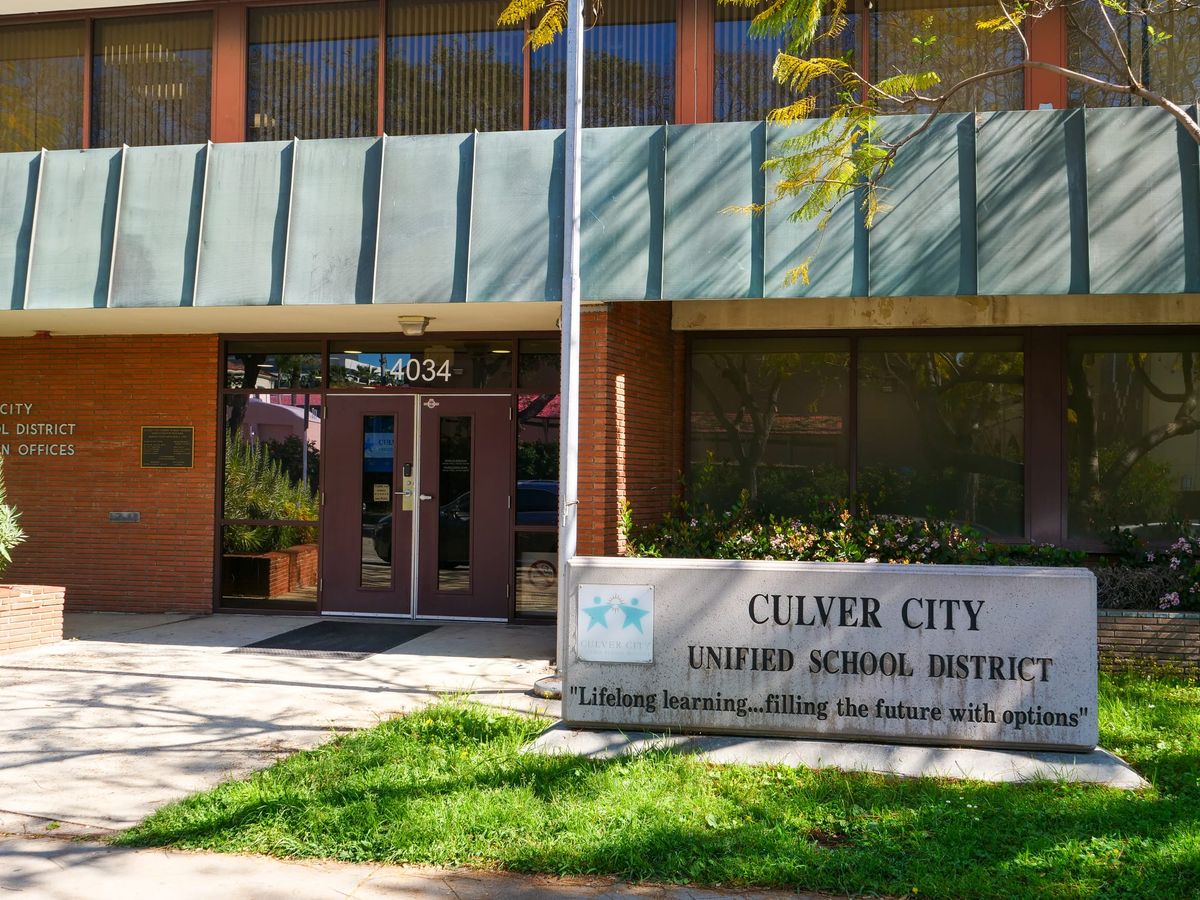

A sliding scale parcel tax to help fund Culver City schools has been placed before Culver City voters this election season.
This parcel tax, Measure AA, was placed on the ballot through a citizens' initiative in response to financial difficulties at the Culver City Unified School District, which have led to significant position cuts over the past several years.
Here is what you need to know about the perspectives from both supporters and opponents before you vote:
History
Against
Taxes that have not led to results taxpayers can directly see have long been a complaint when asked to spend more, especially amid uncertainty in the American economy and the rising cost of living.
Opponents of Measure AA have coined the phrase “Always Asking,” reflecting a sentiment held by many voters that California governments rely too much on taxing residents. Culver City has an existing parcel tax in place, and the Board is responsible for making decisions that use that money properly.
For
The quality of CCUSD schools is one of the primary factors that attracts growing families to move to the city. Culver City’s existing parcel tax is flat, which results in a loss of value over time through inflation.
This tax also has not generated enough revenue to prevent cuts from reaching classrooms and other crucial student-facing positions in CCUSD schools, ranging from vice principals to mental health counselors, over the past several school years.
Reasoning
For
CCUSD has few ways to generate the revenue it needs for operations, and parcel taxes are one of its most reliable sources. With Governor Gavin Newsom deferring money that CCUSD is constitutionally obligated to have access to through Proposition 98, the Board of Education’s decisions are not the sole reason for recent financial difficulties.
By providing this additional resource, the District can regain its financial footing and prepare for unexpected obstacles, such as a sharp decrease in state or federal funding due to recession or other factors within the government complex.
Against
Recent decisions have not instilled trust in the Board’s financial judgment, with the New Earth controversy still fresh in many voters' minds. Other sources, including the city government itself, can and should contribute more to the school district, as they do both in nearby Districts like Beverly Hills and Santa Monica/Malibu and in Districts across the country.
Opponents of Measure AA also argue that the state government, which has gradually assumed more of the burden of funding public schools, has a responsibility to take on the burden of financing public education from individual municipalities, given current restrictions on local revenue generation.
People
Against
Property owners who do not trust that the money they pay into this tax will translate into tangible results, or is poorly timed based on current economic conditions. John Derevlany submitted the official argument against Measure AA and established an “Always Asking” website to raise awareness of Measure AA's costs to individual property owners.
Protect Culver City, a PAC that opposed the Measure CL special sales tax in 2025, has not published an official position on Measure AA on its website.
For
Most residents and figures associated with CCUSD — including all five current board members, 2026 Board Candidate Darrel Menthe, and both public-facing employee unions — have either expressed support or directly campaigned for this tax.
The citizen’s initiative process — which requires signatures from approximately 10% of the voter base to place the measure on the ballot — was successfully carried out by the volunteer group “Excellence for Culver City Schools.”
Several local political organizations, including Our Culver, Culver City Neighbors United, Culver City Democrats United, and the Culver City Democratic Club, have also endorsed Measure AA.
Evidence
For
Berkeley, the city from which EFCCS modeled its parcel tax after, is placing two more parcel taxes on the ballot for voter approval in 2026. This parcel tax system — dubbed the Berkeley Schools Excellence Program — has been renewed by voters five times since its initial approval in 1986, most recently in 2024.
Most Districts in the U.S. receive less than half of their funding from the federal government, with close to 43% coming from local governments in 2024, according to the Peter G. Peterson Foundation, which engages in research on fiscal issues facing the country.
Against
John Derevlany’s argument against Measure AA states, “plenty of neighboring school districts achieve higher academic ratings and student outcomes without forcing residents to pay ANY extra taxes at all.” However, it does not name any specific school district.

Comments ()