
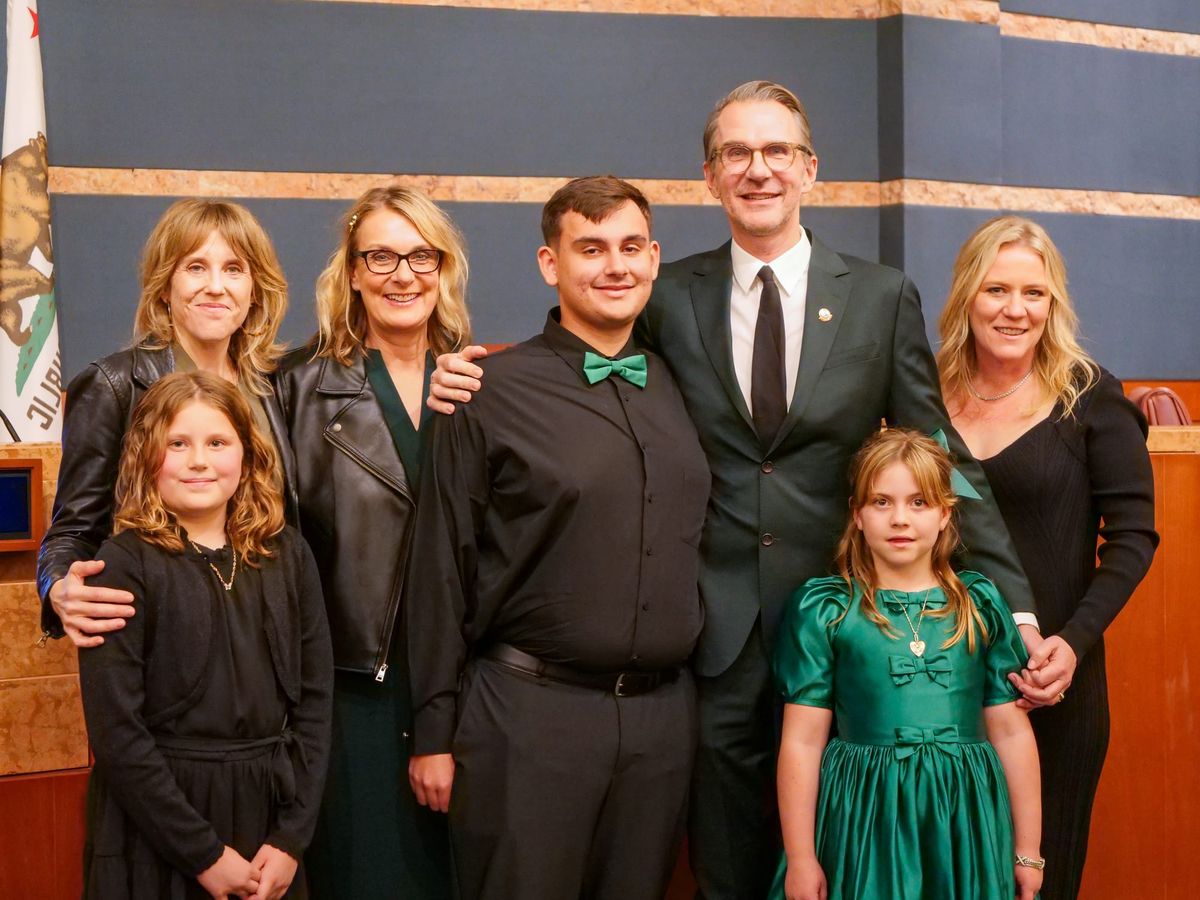
Freddy Puza became the first openly LGBTQ+ leader of the City Council of Culver City when he was appointed to the position last week. Read about his hopes, goals, and expectations for his tenure as Mayor.
The City of Culver City made history last week when it officially named Freddy Puza the Mayor of Culver City, making him the first openly LGBTQ+ elected official to take on the role.
Culver Crescent sat down with Mayor Puza to talk about his thoughts, expectations, and goals for his tenure as Culver City's top elected official.
(EN: This transcript has been edited for clarity and readability)
CC: What does being the Mayor, and the first openly LGBTQ+ Mayor of Culver City, mean to you? How does the role impact your life and the way you operate as a member of the City Council?
"I'm a collaborator, I'm a listener, and so I think that I am going to do what I think is right...I want something that will stick and make an impact on the lives of our residents and those who come here."
Puza: On one hand, like any figurehead, the mayor is the symbolic leader of the city who oversees city meetings, sets the agenda, and, along with the City Manager, sets the general tone for the session. There’s so much opportunity to chart our course the right way, and I’m looking forward to that.
I'm a collaborator, I'm a listener, and so I think that I am going to do what I think is right. It's good to have a consensus to move things forward, but it's not just about getting a consensus. I want something that will stick and make an impact on the lives of our residents and those who come here. I know, in this climate, people want to label me as a swing vote or classify me one way or the other, but I think I’ve shown that I will always vote and operate in a way that I believe will move our city forward.
Someone always told me that you have to be able to wake up the next day and look your child in the eye. But I don't have children, so I just look at myself in the mirror. I'm going to continue voting and moving in that direction.
Serving as Culver City’s first openly LGBTQ+ Mayor — after being the city’s first openly LGBTQ+ Vice Mayor — is deeply meaningful to me. Not because of the title, but because of the moment we’re in. At a time when LGBTQ+ rights are still debated, when LGBTQ+ youth continue to face higher rates of depression and suicide, and when simply being who you are is still illegal in parts of the world, visibility matters.
This milestone reaches beyond City Hall. It says to our community, and especially to young people watching, that authenticity is not a barrier to leadership. Representation isn’t symbolic; it’s transformative. When people see themselves reflected in positions of trust and responsibility, it expands what they believe is possible.
I didn’t grow up surrounded by openly LGBTQ+ leaders. The messages I absorbed were limiting and often harmful. Standing here today is a reminder that those narratives were incomplete and wrong. The door is open, and once it’s open, it stays open. And we keep moving forward. With pride.
CC: What are some of the things you hope to accomplish during your term?
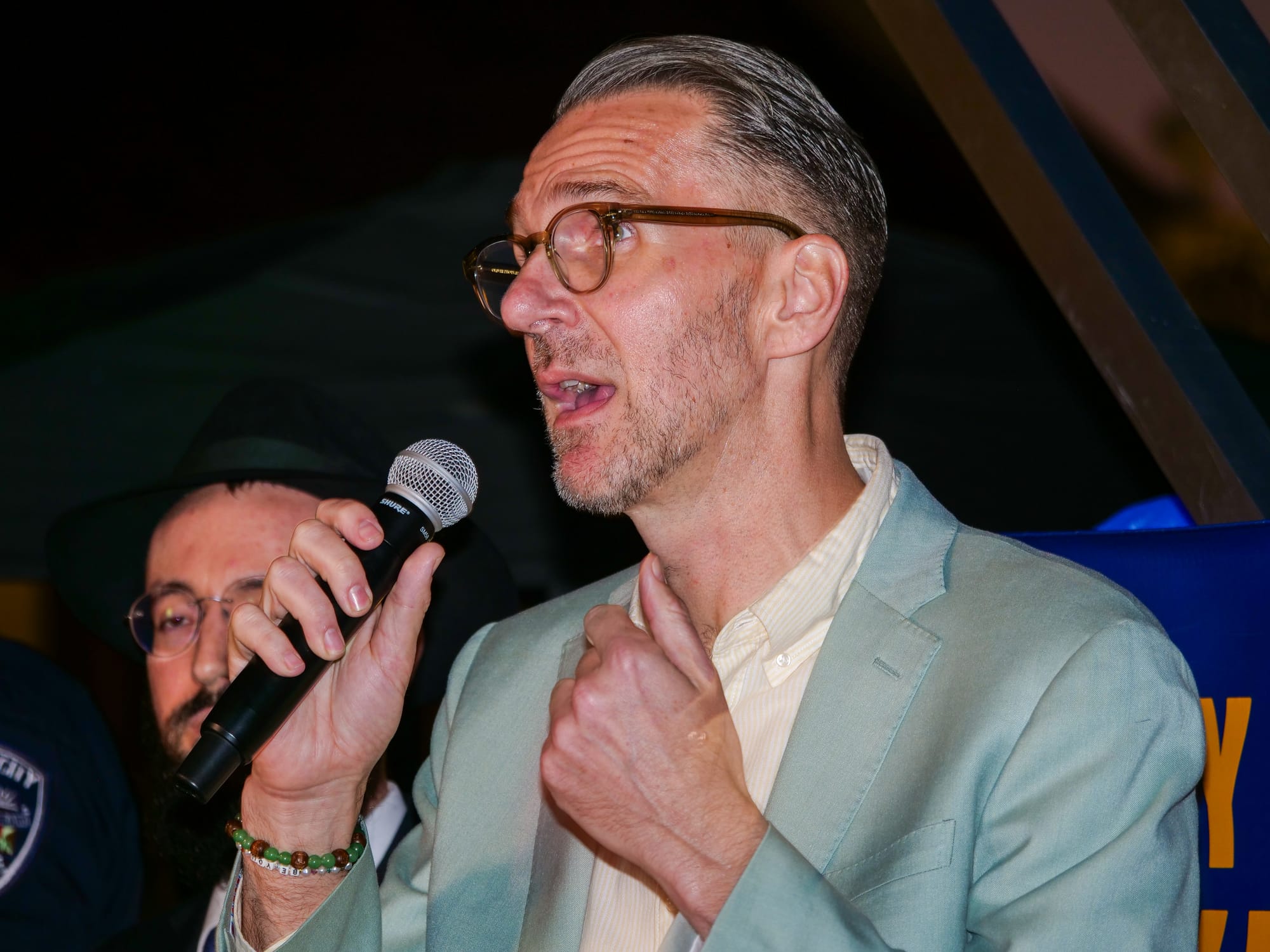
Puza: Look, governing is harder than it looks, and there are so many interests and situations you have to take into account when prioritizing. It’s a new day in Culver City, and we’re going to get back to fundamentals this year and really lay out an agenda that can deliver results. I’m not looking for just short-term wins, but long-term strategic results.
When Councilmember McMorrin was the Mayor, we did some strategic planning and set broad strategic goals. I want to build on that; broad goals are good, but we now want to dial in on what that means for our residents and businesses.
Right out the gate, I want to do a Financial Summit, a strategic planning retreat. I like to plan a lot, I am a "structure" person for sure. There’s always room for deviation, but I like to know the path we’re going down first.
Along with the new City Manager and City Staff, we’re going to actually build out our five-year Capital Improvement Plan, making it more robust and something that sets tangible goals that hold all of us, elected and city staff, accountable. We have an obligation to our community to ensure we are tackling the much-needed infrastructure projects and that they align with our strategic goals.
To do that, we’re going to collaborate with all the department heads, incorporate my colleagues' priorities, and take input from community stakeholders — something we have struggled with over the past few years.
We have opportunities to make Culver City more affordable, and that starts with the groundbreaking of Jubilo and ensuring funding for our Affordable Housing Trust Fund. Building housing shouldn’t be controversial, and we have an opportunity to lift people up and house those in need, without changing our identity as a city. That’s our job.
Lastly, with so many international games coming to Los Angeles, we want to ensure that Culver City is a destination, and that starts with our workers and prioritizing our project labor agreements. We will work side by side with labor partners to ensure that every worker knows that they are valued here in Culver City.
Along with Councilmember Vera, our Economic Development Committee will also be prioritizing our Tourism website, which will hopefully eventually become a permanent Culver City Tourism Bureau to ensure we’re attracting visitors to our city, because “all roads lead to Culver City”.
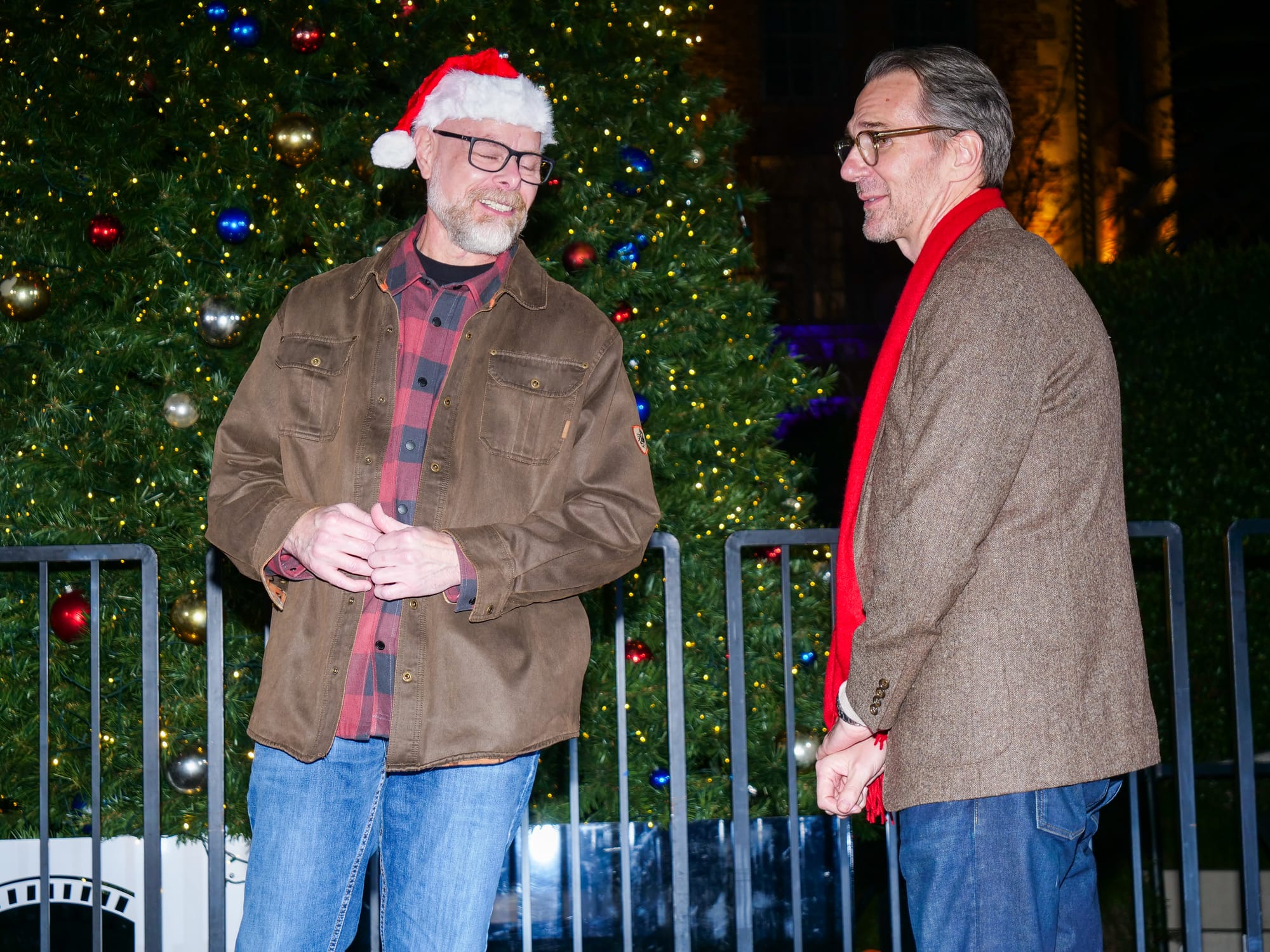
CC: You are coming into this role with a brand new City Manager. How do you hope your relationship with Odis Jones evolves during your tenure?
Puza: Honestly, it’s the best possible situation. It means we can chart a new course together. Mr. Jones is seasoned, and I know he will come in, get the lay of the land, understand how the city works, meet with departments and all the staff, do his thing, and have the runway to do whatever he needs to keep our city operating.
I'm a relational person; that job is hard, so I’m going to make sure that we set regular meetings, so he knows he has the support when he needs it and the voice of the community through the elected officials when he needs to hear it.
It's just new opportunities to build, and I'm curious to see what he brings to the table. What we were looking for, and what we got in the new city manager, is outside experience to help guide us and bring a fresh perspective.
CC: How will Culver City's current budget situation impact the way you carry out your role as Mayor?
There are so many ideas and things my colleagues and I would love to do, but we can only do them if we’re being financially responsible about it.
Puza: We're in a very precarious place. We know our budget was projected to level off if we shut down the Wellness Village, so I really want to figure out how to stabilize it just to get us back out of the structural deficit.
That could mean finding ways to make our city operate more efficiently. If, after evaluating departments and programs, we identify areas we can potentially cut, we can approach it as if it's a new day in our city. I know when you say cut, or when I say cut, people get nervous about what that means, but it doesn't necessarily mean police.
I'm sure the city manager will want to look at everything and conduct a robust analysis of what's working and what's not. My idea of a cut is more along those lines, rather than targeting any specific department.
There are so many ideas and things my colleagues and I would love to do, but we can only do them if we’re being financially responsible about it. We’re not going to be throwing taxpayer money or adding burdensome taxes haphazardly. Our job is to manage thoughtfully, like we would our own personal checkbooks. That's why we’re going to host the Financial Summit to explore ways to generate revenue, make financially sound decisions, and streamline our processes.
Each member of the City Council has ideas about taxes, bonds, financial districts, and more. With this Financial Summit, we have one place to look for opportunities to generate revenue and identify areas to reduce costs.
We can also look at the 10-year forecast. We can look at scenarios where the Wellness Village is offline. We can look at potential revenue from the digital kiosks, even though that's hard to really forecast. I also want to see if we can add 5,000 to 10,000 people at the current service level and play around with different scenarios for our budget forecasting.
CC: Your predecessor made a concerted effort to prepare for upcoming international events. While the Olympics are not happening during your term, how are you feeling about the city's preparations for the World Cup, particularly regarding public safety?
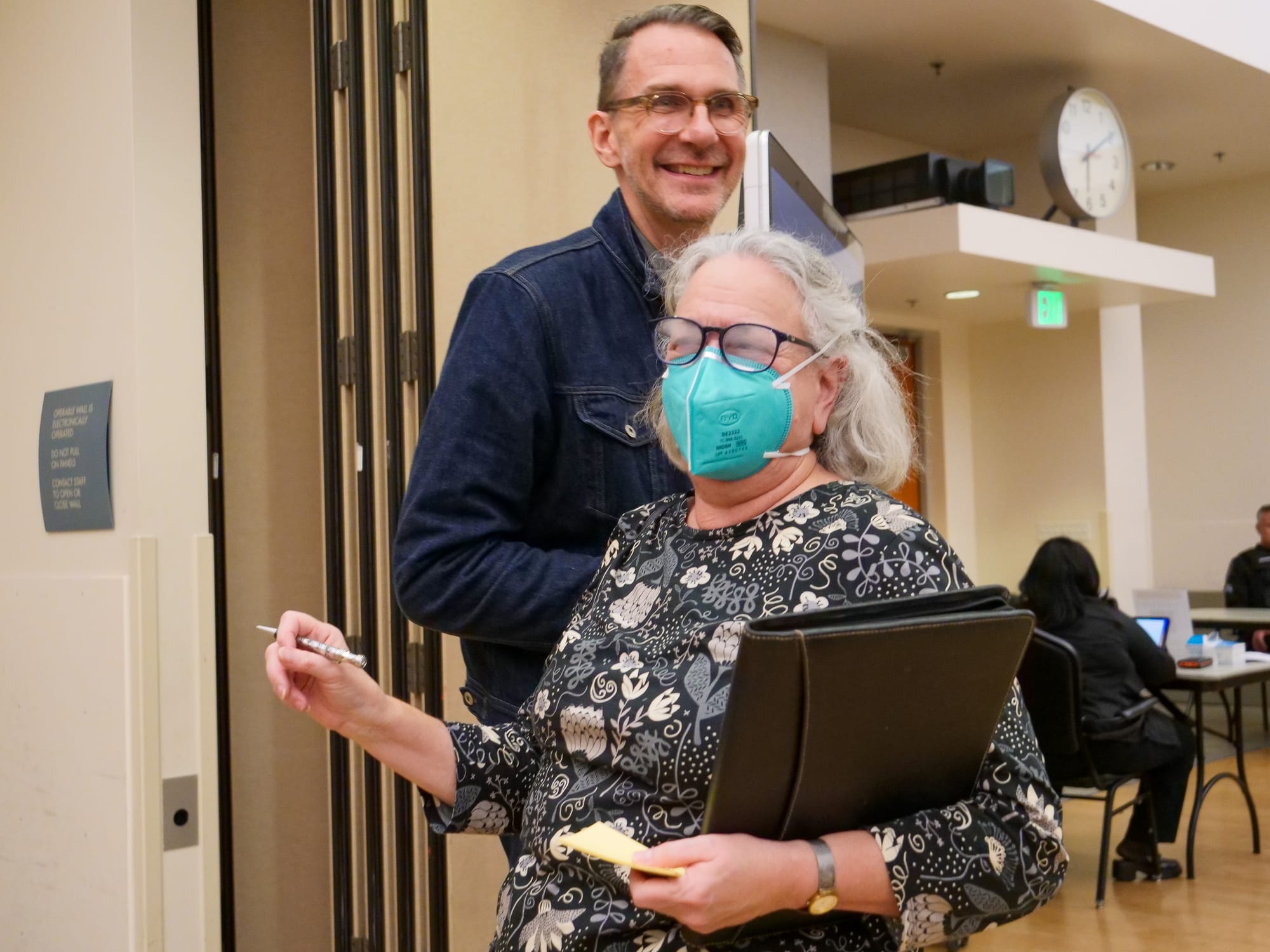
Puza: I’m excited for both the World Cup next year and the Olympics in 2028. Culver City will be ready and prepared for both games and will work alongside Los Angeles and our neighboring cities to ensure we remain focused on success. I appreciate all the work Councilmember O’Brien did when he was Mayor, and I know he will continue to focus on partnering with our sister nations when the games come this way.
This year, I’m going to be meeting regularly with our Police Chief Jason Sims, the Culver City Fire Department, and all our key public safety teams to make sure they have the tools they need to keep the public safe, and aren’t overburdened by things that we can shift to another type of first responder.
“Safety” means so many things for so many different people, and we have an obligation to get it right, but also ensure that all communities know that, like elected officials, those sworn to protect and serve are doing just that and not stretched thin.
We're going to have a lot of people coming in for the World Cup. We're going to have a lot of people coming to the Olympics. So that is what I am going to try to balance.
CC: Culver City has made recent investments in its approach towards addressing the Homelessness Crisis, leading to both significant results and costs. What are your feelings on the work of the city’s Housing and Human Services Department?
There’s no world in which we’re not going to spend on critical services. We’d be doing a disservice to our city, and frankly, it’s the right thing to do.
Puza: Before I was elected, I was on the former Committee on Homelessness, serving with our incredible Housing and Human Services Director, Tevis Barnes, and it’s such a loss that we’re going to be losing her.
With the Department, we're doing a lot for homeless services in the city, but it's something the city should be involved in in collaboration with the County of Los Angeles.
There’s no world in which we’re not going to spend on critical services. We’d be doing a disservice to our city, and frankly, it’s the right thing to do. I’m also very mindful that we have neighboring cities facing a crisis they manage daily, and that they're doing their best to get people the services they need and off the streets.
It’s why our affordable housing projects like Jubilo are so important, so that we can continue to provide permanent solutions for those who need them.
CC: Balancing the needs of transit and micromobility users with those of businesses has been a prominent topic for those seeking to expand projects like MOVE Culver City. How will you balance the needs of business owners with Culver City's mobility needs?
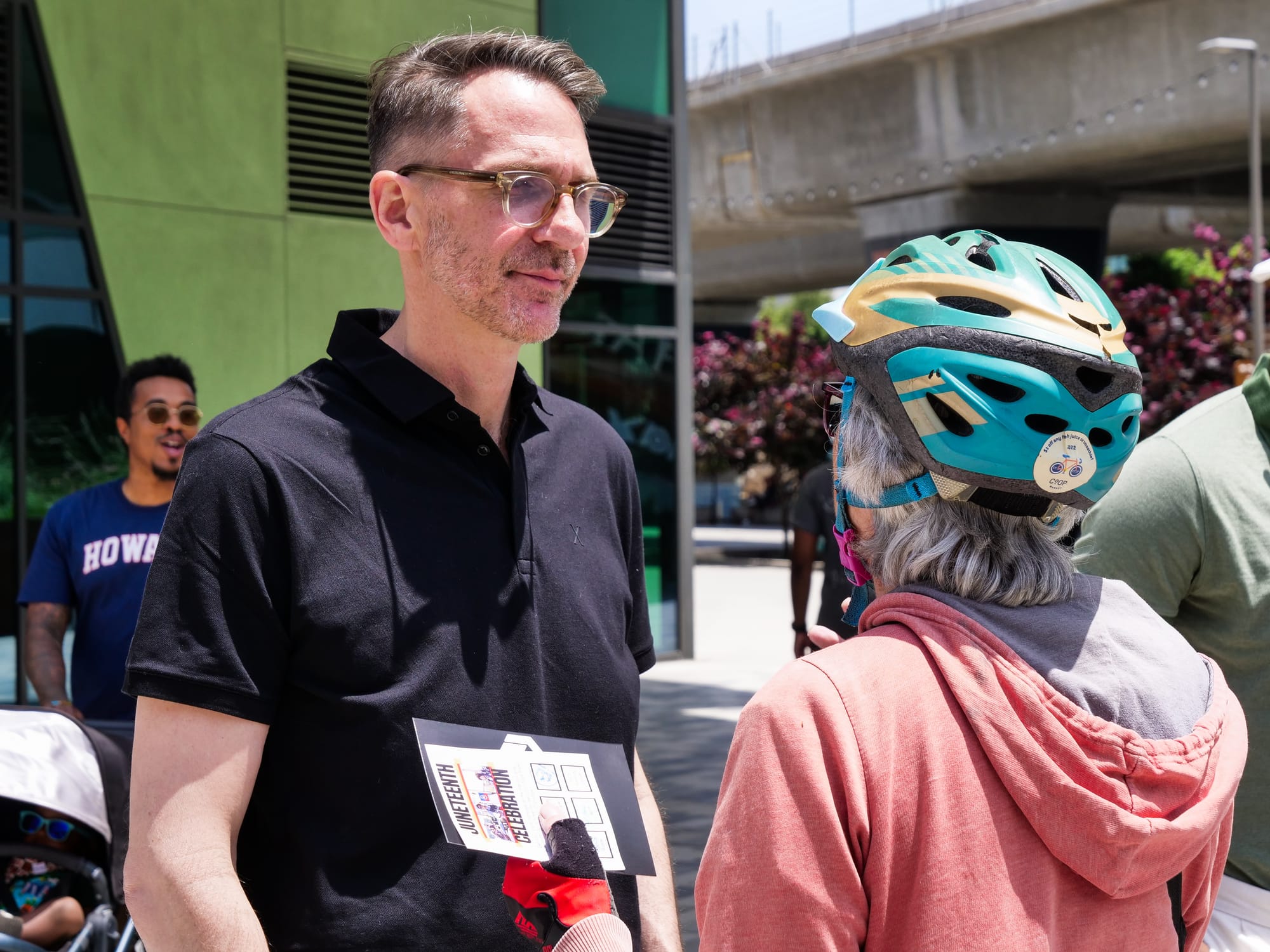
Puza: As I said during my first speech, our businesses are the backbone of our economy, so I’m very concerned about any business in our city closing. From market forces to inflation to an unstable federal government, there are so many external factors driving what’s happening to businesses, not just in Culver City but all across the country.
I also think when those changes happen, they create opportunities for new things to come and fill that space. We have to help businesses, but we also have to balance safety with the sustainability goals our city set just a few years ago. The number one cause of youth death in L.A. County is traffic accidents. We really have to pay attention to that, and we do so by building a safe network for parents and their children.
We are never going to eliminate traffic in the region, but we can mitigate it by providing alternative modes of transportation. That doesn't mean everyone's gonna go and get on their bike, but the more people use other modes of transportation, the fewer people are in cars on the roads.
If every person in Los Angeles County substituted just one car ride per week, it would dramatically change traffic patterns.
I drive, I bike, I walk, I ride public transportation, and everything gets me where I need to go. We have to find ways to ensure that, during this affordability crisis, everyone has access to alternative modes of transportation. I plan to convene a Business Roundtable to discuss ways we can balance the needs of our businesses with the goals of our city.
CC: After the City’s Donation to the Culver City Unified School District, what is the Mayor’s role in improving the financial health of the District? Does the city have a continued part to play?
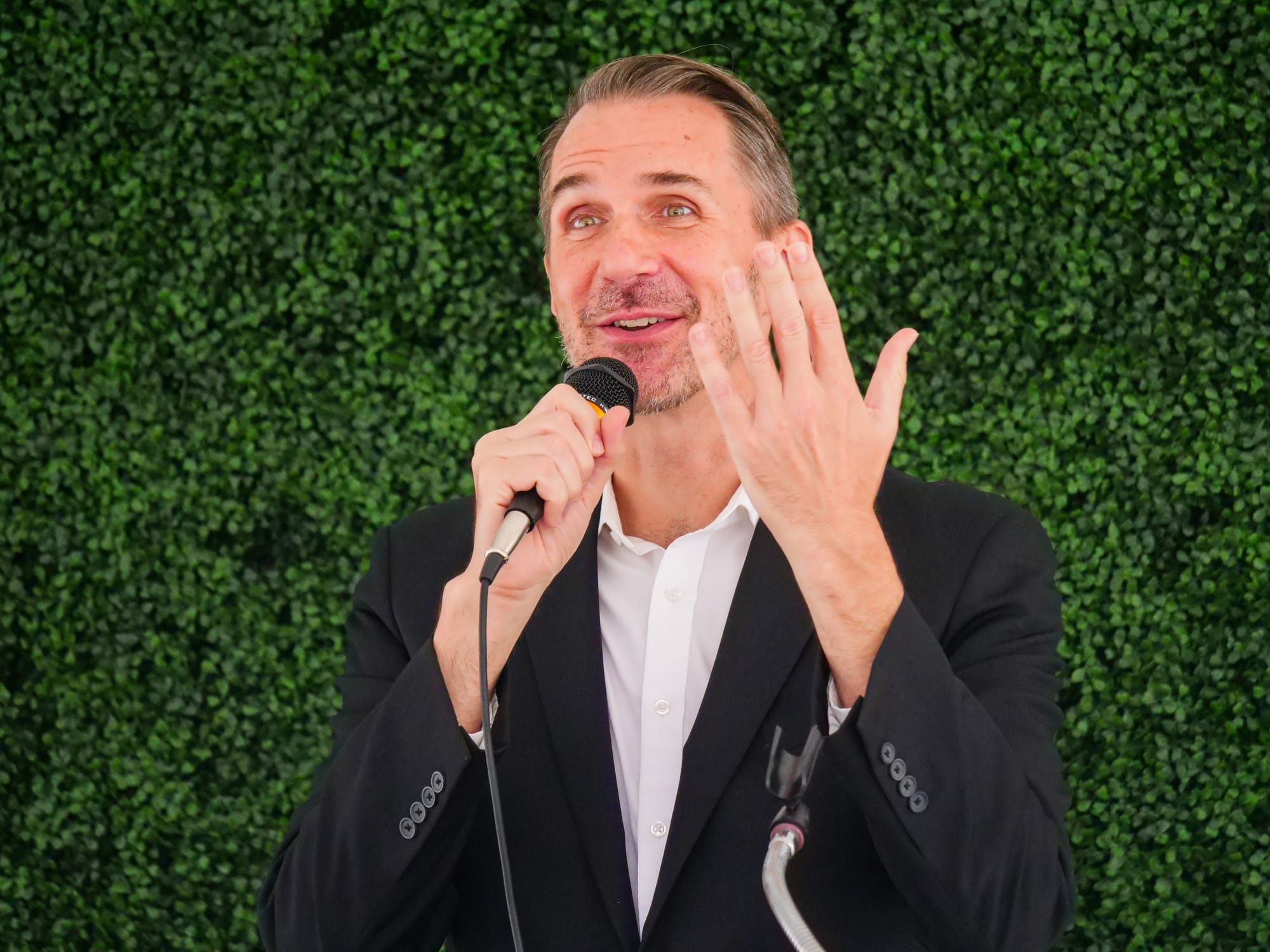
Puza: Outside of being mayor, I work in the education space, and making sure that we play a role in supporting the future of our city is a priority.
CCUSD had a three-year ask, and we came in at $2.5 million for the first year, subject to certain conditions, and I know they are working hard to find additional revenue sources. I think we owe it to the District and our residents to be in that conversation and work with the school board and the superintendent to do our best to give support.
Whenever I talk to anyone about why they moved to Culver City, there’s usually one of two things, and one of those things is the public school system. That is part of our identity and what people are proud of in this city. I think we do a great job in our public school system, and I am proud of that.
CC: The Parks Plan proposes a wide range of upgrades to Culver City parks, many of which carry a high price tag. How will you approach implementing improvements to Culver City’s public infrastructure?
Puza: This will be one of our priorities within our Capital Improvement Plan. People really want to see their local government deliver tangible things for them right now. No matter where people are on the political spectrum, people inevitably say, “That road/sidewalk is broken/crumbling, I want to see that fixed.”
People want their parks to be functional. They want parks to look beautiful, and our parks are great, so we are not in a bad place with parks. But we are due for a renaissance for sure, and the Parks Plan is emblematic of this.
As far as going for that big number, as I mentioned, we’re going to ensure we manage things responsibly and lay some groundwork. In the strategic planning, Financial Summit, or CIP process, if we want to, for example, say “Why don’t we just focus on Fox Hills Park,” staff could just do that, and we’re going to find ways to deliver those results for our community.
CC: Many people attend City Council meetings seeking dialogue or answers to their problems during public comment. How will you work to make people feel heard?
Ultimately, everyone wants to be heard, so listening to people and responding with the best version of myself and the highest level of humanity is the best way to approach it.
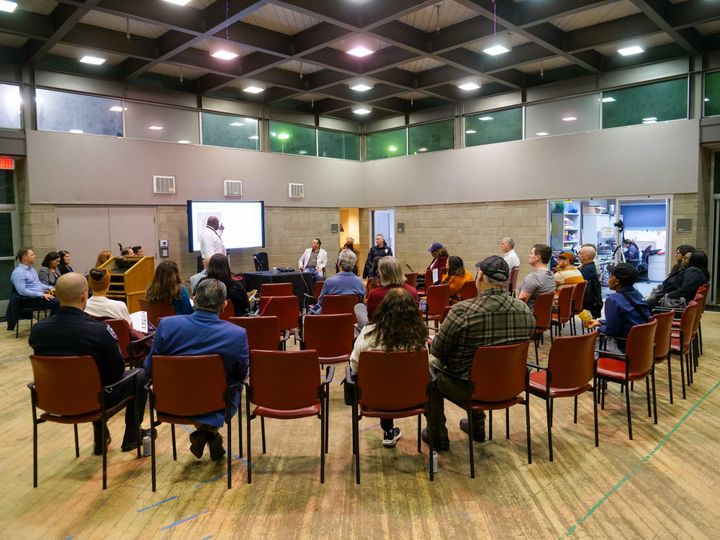
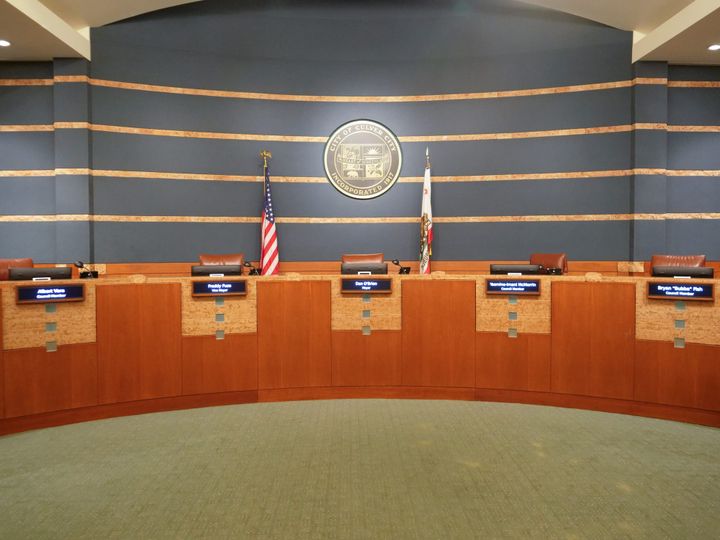
Puza: It takes a lot of courage to stand up in front of anyone, especially in a room like City Council Chambers. It’s intimidating and confusing, and from the dais, we want to make people feel as comfortable and as heard as possible. Our job is to listen and then take those concerns back and take action when necessary and appropriate.
Sometimes, the council talks to people, and sometimes they don’t, so people think, “Why?”
As Mayor, I will be as communicative as possible with our stakeholders, while holding efficient meetings that don’t drag on until 2 a.m. I also want to ensure there is follow-up with our stakeholders so staff and the city clerk can stay in touch. During the mayoral rotation meeting, I asked Vice Mayor Fish to serve as our city’s “Civic Duty” Czar, so I look forward to supporting his spearheading efforts in finding ways to get more of our stakeholders involved and educated in our processes.
I have always been in a role where there is a lot of room for criticism, so I never take anything personally and always try to get what people are trying to say. Sometimes they're just angry and want to yell. Sometimes they want their tree trimmed, but it's coming out differently. Sometimes, they're just mad about something that's going on, which may or may not be in their or my control.
Everyone who has been elected knows that it comes with some criticism, some warranted, some not. Ultimately, everyone wants to be heard, so listening to people and responding with the best version of myself and the highest level of humanity is the best way to approach it.
Comments ()