
Subcommittee ponders Democracy Vouchers ahead of Prop 4 vote
If passed in the November 2026 General Election, Proposition 4 would remove the statewide prohibition on public financing programs for election campaigns like Democracy Vouchers

Culver City’s Governance Subcommittee, comprised of Vice Mayor Bubba Fish and councilmember Yasmine-Imani McMorrin, will consider directing staff to begin researching the details around a potential Democracy Voucher program in Culver City at its meeting on Wednesday.
Democracy Vouchers are a tool the City of Seattle uses to empower residents without the financial means of traditional campaign donors to influence local elections. This program provides four $25 city-backed vouchers to registered voters in the city that can be donated to local campaigns for regularly scheduled elections.
Voters in Oakland also approved a similar program in 2022, but state law has delayed its implementation. Currently, programs like Democracy Vouchers and New York’s Matching Funds program are constitutionally prohibited in California, as is all campaign financing by public bodies like city governments.
However, Proposition 4 on the November 2026 Ballot looks to change that, repealing the prohibition and allowing local governments to create their own public financing programs as they see fit if it is passed.
 Christian May-Suzuki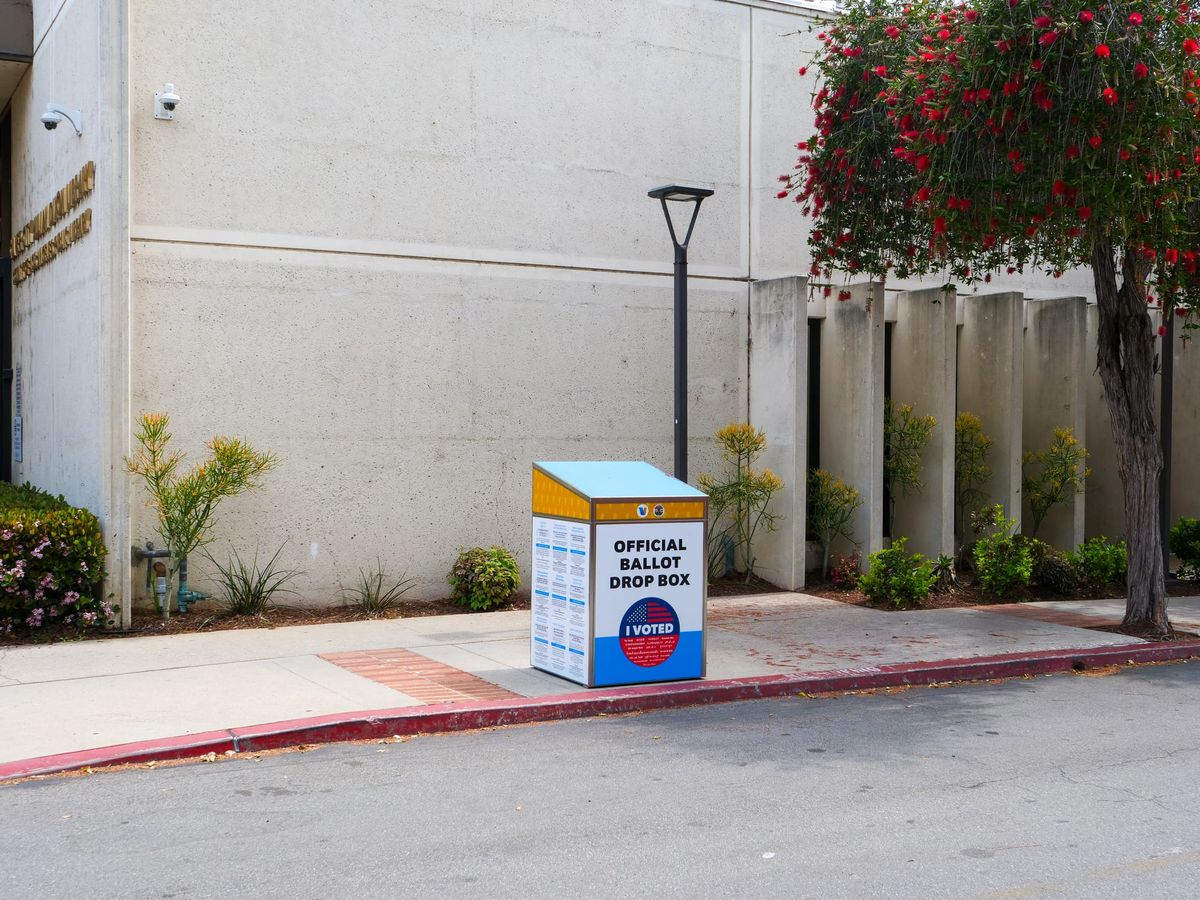
The Committee will have to consider the many moving parts that allow these programs to function as healthy parts of the Culver City political ecosystem. Traditionally, public financing programs have regulations that candidates must abide by to participate, with spending limits being a common practice.
Regulations for Seattle’s Democracy Voucher program are mostly centered on how much money is spent during a campaign and what percentage of that money must come from Democracy Vouchers. City Council candidates in Seattle who participate in the Democracy Voucher program can spend a maximum of $112,250 in any Primary Election and $225,000 across a cycle’s General and Primary Elections.
Individual contribution caps are much lower for candidates participating in Seattle’s program than what is currently allowed in Culver City. The maximum that a voter in Seattle can contribute to the campaign of a Democracy Voucher candidate is just $350, with the amount from vouchers being excluded from that total. In contrast, Culver City voters can currently donate more than $1,000 to local campaigns.
Contributions made through Democracy Vouchers in Seattle are publicly available, and the names of donors are included with this data. These programs give the average voter a tangible way to support campaigns in their city. Research on New York's Matching Funds program, which has been active since 1988, shows it has reduced candidates’ reliance on donations from corporations and Political Action Committees (PACs).
Candidates in Seattle must also show their entrance into the program has merit. To qualify to receive Democracy Vouchers, candidates must submit a number of signatures and associated contributions of at least $10, depending on the office they are seeking.
Unlike Culver City, Seattle is large enough that its city councilmembers each represent a district, but the number of required contributions for a Seattle City Council candidate to qualify is just 150 qualifying contributions and signatures, with at least 50% coming from within the district they are seeking election in.
This is a minuscule portion of the number of voters in even the least populated District of the city. Seattle City Council District 7 has the fewest registered voters in the city, according to August 2026 data, but the required 150 contributions represent less than 0.3% of the 61,764 residents in that District.
Culver City’s registered voter population is nearly 50% of that, with the May 26 Report of Registration stating Culver City has 29,169 registered voters.
Culver City’s smaller population would also result in a cost burden that’s less than Seattle’s program. For an election for the seat representing Seattle City Council District 5, which has 73,640 registered voters, $900,000 was set aside. At $100 per registered voter, this funding is enough to provide Democracy vouchers to around 12% of the voters in the District.
A program at an equivalent level and scale in Culver City would require an appropriation of around $356,500.
Seattle’s Democracy Voucher program is funded by a property tax approved by voters in 2025. New York, by contrast, has a dedicated City Campaign Finance Fund, included in the general appropriations made as part of the city’s regular budget cycle.
Visit the Seattle Ethics and Elections Commission webpage to learn more about the city’s Democracy Voucher Program. For more on New York’s Matching Funds Program, click here.

Comments ()