
Culver City Afterschool Program fees to be reexamined
The City Council will reevaluate a significant increase to Culver City Afterschool Recreation Program fees approved in May before it starts up again this Fall
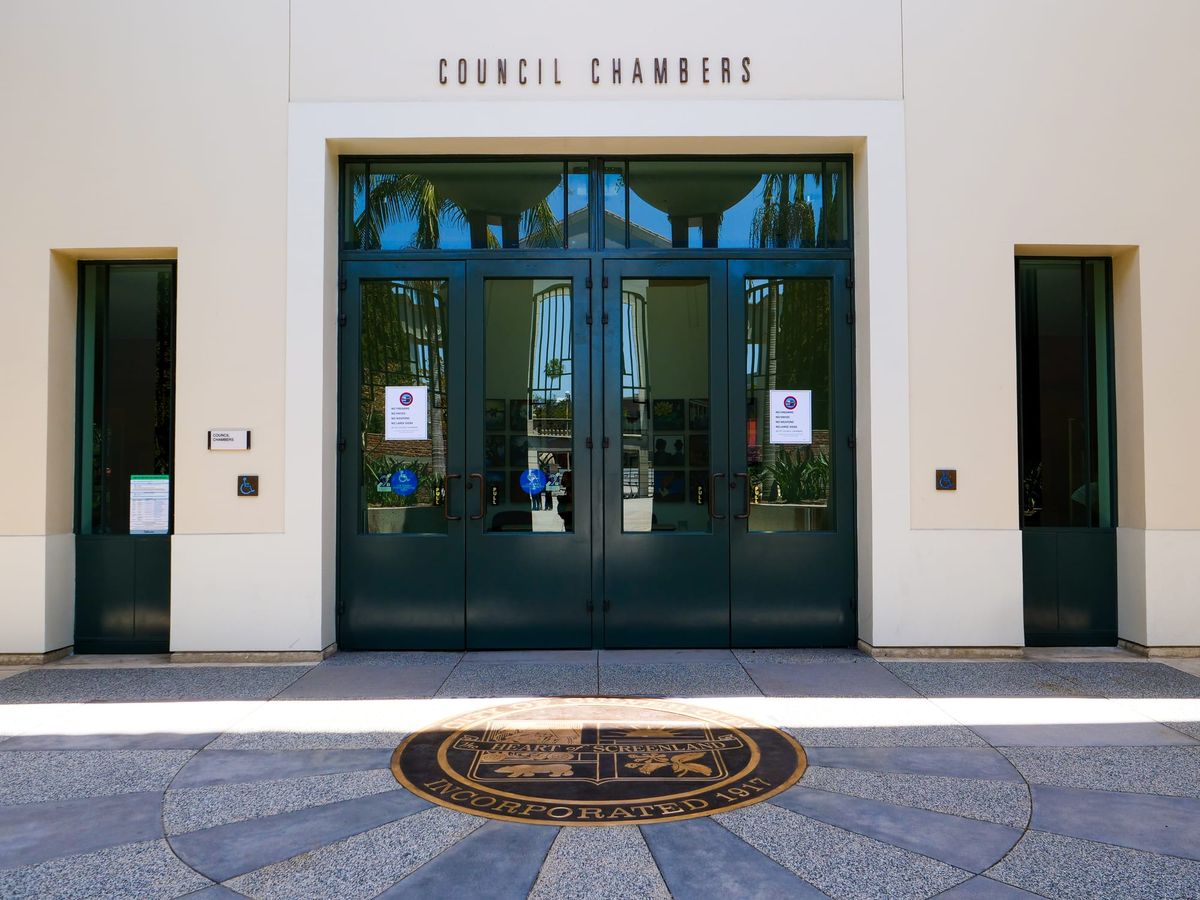


Culver City will reevaluate a fee increase on a critical program for many families living in the city.
The Culver City City Council directed staff to delay the collection of fees for the next session of the Culver City Afterschool Recreation Program (CCARP) this September to give time for a reconsideration of the current price point. CCARP provides supervision and care for students at El Marino Elementary, Farragut Elementary, El Rincon Elementary or Linwood Howe Elementary after school, and has been cited as a cost-effective program by advocates.
Members of the community were unhappy that the program — which working parents use as a bridge between the end of the school day and work to keep their children supervised — would be more than twice as expensive per week for parents this year, prompting the city council to revisit the issue.
An adjustment to these fees approved in May is set to increase the cost of CCARP from $51 to $127.50 per week for the 2026-27 year, then to $153 starting in 2027-28. The City Council could not legally take action to rescind this increase as requested by members of the community Monday night, but moved to set the stage for discussion of the CCARP price point and other factors surrounding the program at its regularly scheduled meeting on September 14.
There was a disconnect between staff and CCARP participants in the understanding of the value of the program and afterschool childcare as a whole. Parks, Recreation, and Community Services Department Director Tomás Herrera-Mishler explained that city staff has learned a lot about how residents viewed the CCARP much differently in the overall city ecosystem than staff did.
“Rather than seeing this program as something that is a luxury for families, it is actually infrastructure,” Herrera-Mishler said of the feedback the Department has gathered over the past month. “It is pretty clear that this program is essential to the families that use it.”
The approach towards the fee increases reflects that difference in the perceived role of the CCARP. One public speaker included information from the fee update approved in May that showed that CCARP was classified as “Out of School Activities” and had a 70% cost recovery goal, significantly higher than the 10% goal for offerings like Teen Center programs classified as “Health and Human Services.”
PRCS defines Health and Human Services category programs as “clinics, workshops, and services which focus on…preventing and remediating life challenges and/or maintaining independence and connection to community by linking and/or providing resources for those in need.” Speakers argued that the internal definition of Health and Human Services more accurately reflects the importance of CCARP to the residents who rely on it.
“For a working parent of a young child, afterschool care until 6 p.m. is not optional enrichment,” Tamar Fuhrer said at Monday night’s meeting. “It is what allows that parent to work.”
Last year’s Citywide Parks Plan notes in multiple sections that limitations on PRCS staffing and funding are restricting the ability of the city and PRCS Department to operate, maintain, and expand on Culver City’s park system. This fee update was approved in May as part of a gradual effort to update some of the long-ignored fees citywide to generate additional revenue.
This will also not be the first fee increase to be revisited and potentially rescinded in response to community feedback. Two particular fee bumps — related to block parties and fire building inspections for small businesses — were cancelled after community members expressed their dismay as they did with CCARP fees Monday night.
 Christian May-Suzuki
While the jump was staggered over two fiscal years, parents were still set to pay 150% more than for CCARP this coming school year, leading to a heavy cost burden which the subsidy program introduced Monday night was meant to help address.
PRCS Commission Chair Maggie Peters spoke Monday night as a representative of the Commission and shared support for the subsidy program on behalf of the body. There were three rates of subsidies proposed based on the income levels of those receiving it, broken down as follows:
- Category 1 (100% subsidy): Families experiencing homelessness, residing in emergency shelter, families referred through Child Protective Services or another qualifying social service agency, and children in foster care.
- Category 2 (50% subsidy): Income-qualified households based on family size and gross household income using established income thresholds
- Category 3 (15% subsidy): Families currently receiving qualifying public assistance benefits, including but not limited to CalFresh, WIC, or SNAP.
Discussing this hardship subsidy was the original intent of Monday’s action item, but supporters argued it was not enough to offset the massive increase in costs for many families. The request from many speakers was simple: freeze the rates at the pre-adjusted $51 per week, which represents an approximately 77% subsidy on the program’s $219.07 weekly cost to the city per participant.
While the council was supportive of the concerns and looked to move to assist concerned community members, there were questions about exactly what that next action was. Director Herrera-Mishler suggested that the fees be frozen as requested, and councilmembers were in agreement on taking this action, but legal circumstances prevented them from moving forward immediately Monday night.
Since the action item on the agenda was focused on the subsidy program and not the fees themselves, council was unable to direct staff or move to vote on changing the fees Monday night. Instead, fee collection for the program, which is conducted monthly and starts in September for the program’s first month in October, was postponed by the council to be done after September 14.
On that date, the council will consider a general item related to the fees, classifications of the CCARP fees alongside this proposed subsidy system at its regularly scheduled meeting.
Since the item being discussed would be related to the fees, the adjustments adopted in May could be legally reversed at that September 14 meeting should the council decide to give that direction.



Comments ()