
Culver City approves fee adjustments ahead of new fiscal year
The elimination of fees for services related to block parties and a significant decrease in the cost of building fire inspections were among a series of changes approved Tuesday night
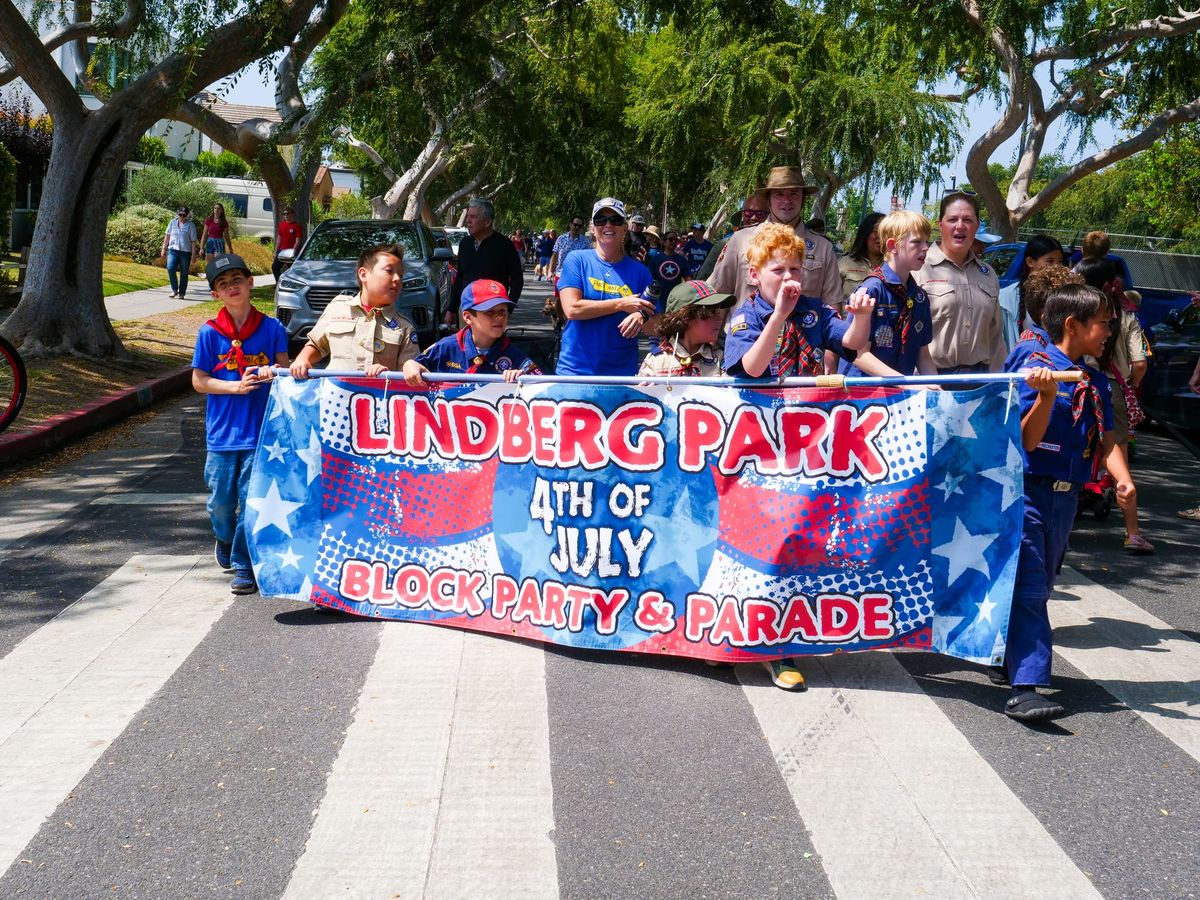
The Culver City City Council continued the process of updating the fees charged for services provided to the community at its regularly scheduled meeting Tuesday night. In addition to the general service fees revisited at the meeting, an update to charges for Culver City’s park space and solid waste pickup was also made to align with current costs.
Major revisions include eliminating a highly controversial fee for residents to host block parties, and a 40% drop in costs for building fire inspections, both of which were subjects of a significant amount of community feedback. Park rental costs were increased to align with modern standards, and solid waste pickup costs were placed on a new five-year cost increase schedule.
In keeping with the direction when user fees were first changed in 2025, the city reassessed these fee increases based on community feedback. Block party fees and costs for building fire inspections were the subject of criticism at several community conversation meetings hosted by City Manager Odis Jones in recent months, and Jones responded to commenters at these meetings with the proposed changes adopted Tuesday night.
While these represent noticeable relief for the community, other fees were increased to keep pace with inflation and recover city costs. Many see a slight annual increase in alignment with the Consumer Price Index (CPI), which serves as the official measure of price changes for a wide basket of goods and services.
Fees whose adjustments are based on CPI — such as those related to animal control services or business tax certificates and permits — increased by 3.1% in the 2025-26 fiscal year and are set to increase by 2.9% in accordance with the CPI increase for the Los Angeles area for the 2026-27 fiscal year.
Some fees related to project planning — such as address assignment, administrative site plan reviews, and administrative use permits — that are currently subsidized by the city were also increased by 5-10%. This is part of a larger, incremental strategy to achieve cost-recovery goals for planning-related services in 2030.
Other fees follow a separate system from CPI, leading to slightly larger adjustments, such as charges for ambulance transportation and oxygen. These fee increases are dictated by the L.A. County General Public Allowable Rate Schedule, which results in an increase to the charges beyond the CPI.
Ambulance transportation charges are increasing by 4.8% year-over-year for both basic and advanced life support cases, and the cost of oxygen has increased to $127 from $120, a 5.8% increase.
A full list of user fees can be found here.
The state of Parks fees is very similar to that of the city’s user fees a year ago: a long-ignored set of fees that need to be addressed to meet modern market standards and maximize revenue as efforts to maintain a balanced budget continue. These park fees had not been updated since 2014, leading to Culver City’s facilities being much cheaper for residents to use and serving as a lower revenue generator than those of other nearby cities.

By analyzing the current rental fees charged by cities like Beverly Hills, Santa Monica, El Segundo, and West Hollywood, Culver City proposed fee increases to better align with the surrounding market. Additionally, these rental fees set a flat rate per space rather than a sliding scale based on residential status and the type of organization using the facility.
Small rooms in park buildings, defined as having a capacity of 49 people or less, had their costs increased to a flat rate of $47 per hour. Large rooms with a capacity of 50-150 people will now have a base rental rate of $55 per hour. Rates for picnic spaces will not be impacted.
One organization in particular — the Culver City Senior Softball Association — noted the impact that proposed jumps in the cost to rent field space in Culver City would have on their operations. Adjustments are being made to the cost of renting field space at the city’s parks, ranging from small fields of 16,000 square feet or less adjacent to picnic areas to large fields of 40,000 square feet or more intended for activities such as sporting events or team practices.
These rates are being increased to align with those of adjacent cities. Small fields will cost $25 per hour to rent, while large fields will cost $60 per hour. Several speakers from the Culver City Senior Softball Association spoke of the impact increased fees to cover these costs would have on seniors, most of whom are on fixed income.
However, the city can work more closely with the Softball Association through an existing relationship. Culver City has a Memorandum of Understanding (MOU) with the Softball Association, and the terms of that MOU can be adjusted to alleviate some or all of the added costs.
Unlike the previous two fees, solid waste collection charges have seen an incremental uptick in recent years, a trend that was continued with Tuesday night’s decision. A series of incremental fee increases over several fiscal years has brought the charge up by 45% since 2021-22. The proposed schedule approved Tuesday night will result in another 36% increase from this year’s charge.
The Environmental Programs & Operations (EPO) Division of the Public Works Department, which manages trash collection services for the more than 9,500 business and residential customers it serves, is entirely funded by these user fees. These fees are managed through the city’s Enterprise Refuse Fund, which is maintained separately from the city’s General Fund, which traditionally funds city services.
Even with these increases, Culver City’s waste collection user fees remain below market rates. It charges the lowest rate for commercial properties among any of its nearby peers, according to Environmental Programs and Operations Manager Sean Singletary.
Several market conditions presented Tuesday night have led to increasing costs for the EPO Division. These come from both external sources, ranging from the closure of nearby landfills and the rising costs of recycling, to sources from within EPO’s structure, particularly through its aging waste transfer station.
The station was completed in 1983 and needs consistent upgrades to its systems. There have also been several fires at the station due to improperly disposed lithium batteries and other hazardous waste, creating the need for fire-hardening infrastructure built into the transfer station.




Comments ()