
Culver City Council discusses food truck permit pilot program
The program would create a system for food trucks to legally operate near Culver City parks, which is currently in violation of Culver City’s Municipal Code
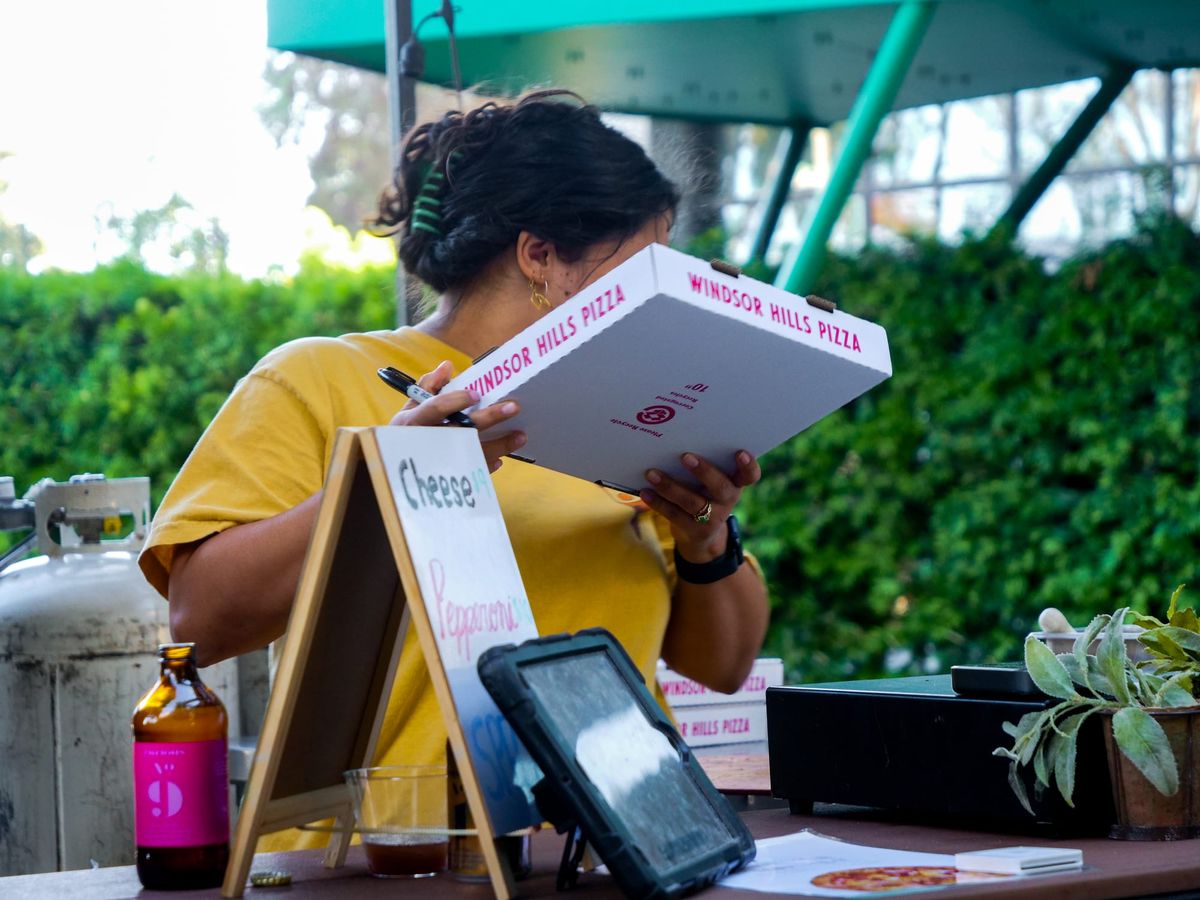


At Monday night's regularly scheduled meeting, the Culver City City Council began formal discussions of a potential food truck permit program that will allow them to operate legally near Culver City Parks.
Initial discussions project this program to be introduced as a pilot program at the beginning of 2027, with the application period opening in October 2026. However, many of the specifics will be re-examined at the direction of the council after discussion at Monday night’s City Council meeting.
While the program is broad and not focused on a particular business, discussions stemmed from concerned residents over the Windsor Hills Pizza food truck that frequents several city parks. Culver City Municipal Code currently prohibits food trucks from operating within 300 feet of parks, but enforcement had not been strict until an incident that Windsor Hills Pizza co-owner Luke Lucas detailed at the February 9 City Council meeting, where staff was directed to develop this program.
Policies on how to execute the food truck permit program vary across cities, but several key factors generally remain the same. Most cities limit food trucks to parks and require distance from schools and other businesses. West Hollywood limits the amount of time and the frequency at which food trucks can operate at designated curbs, while Santa Monica has strict exclusion zones around certain parks.
City staff proposed limiting operating hours from 3 p.m. to 7 p.m. on weekdays and 11 a.m. to 7 p.m. on weekends to “complement city park activity rather than compete with it.” No more than two food trucks would be allowed at a park at the same time, and the weekly and monthly frequency of food truck appearances would be limited under the program.
Additionally, parks near Culver City Unified School District school property or afterschool programming — namely Lindberg Park and El Marino Park — will be closed to vendors on CCUSD Instructional Days.
The locations staff presented to the city council Monday night are as follows:
- Carlson Park: Le Bourget Avenue towards Park Avenue / Motor Avenue towards Braddock Drive
- Culver West Alexander Park: Roundabout off Wade Avenue
- El Marino Park: Hayter/Berryman Avenue, Washington Place towards Tilden Avenue, Diller Avenue adjacent to basketball courts
- Lindberg Park: Ocean Drive towards Coda Street, Rhoda Way towards northern baseball field
- Tellefson Park: Washington Place towards Tilden Drive
- Veterans Memorial Park: Coombs Avenue towards Culver Boulevard, Barman Avenue towards Overland Avenue
This only applies to food trucks within 300 feet of parks that are restricted under current Culver City codes, with Fox Hills Park excluded from this prohibition because of its size and configuration, according to Parks, Recreation, and Community Services (PRCS) Department Deputy Director Adam Ferguson. Permits would not be required if a food truck wanted to operate at Fox Hills Park, and staff emphasized that Fox Hills was not being excluded from food truck discussions.
While staff proposed a “first come, first served” model, Mayor Freddy Puza suggested further consideration of a lottery model. He noted that there were potential obstacles, such as language barriers, which could create inequitable accessibility for operators.
Applicants will be required to include several documents to be considered for the program. This includes requisite paperwork to do business in the city, including a Culver City Business License and Los Angeles County Department of Public Health Permit, along with documentation proving possession of adequate insurance and agreement to the program's Terms and Conditions.
Councilmember Dan O’Brien wondered whether food trucks needed to idle to operate their business, with Councilmember Albert Vera pointing out that the danger of idling motor vehicles and their associated air pollutants were used as justification for the city’s highly publicized moratorium on new drive-through building permits.
 Christian May-Suzuki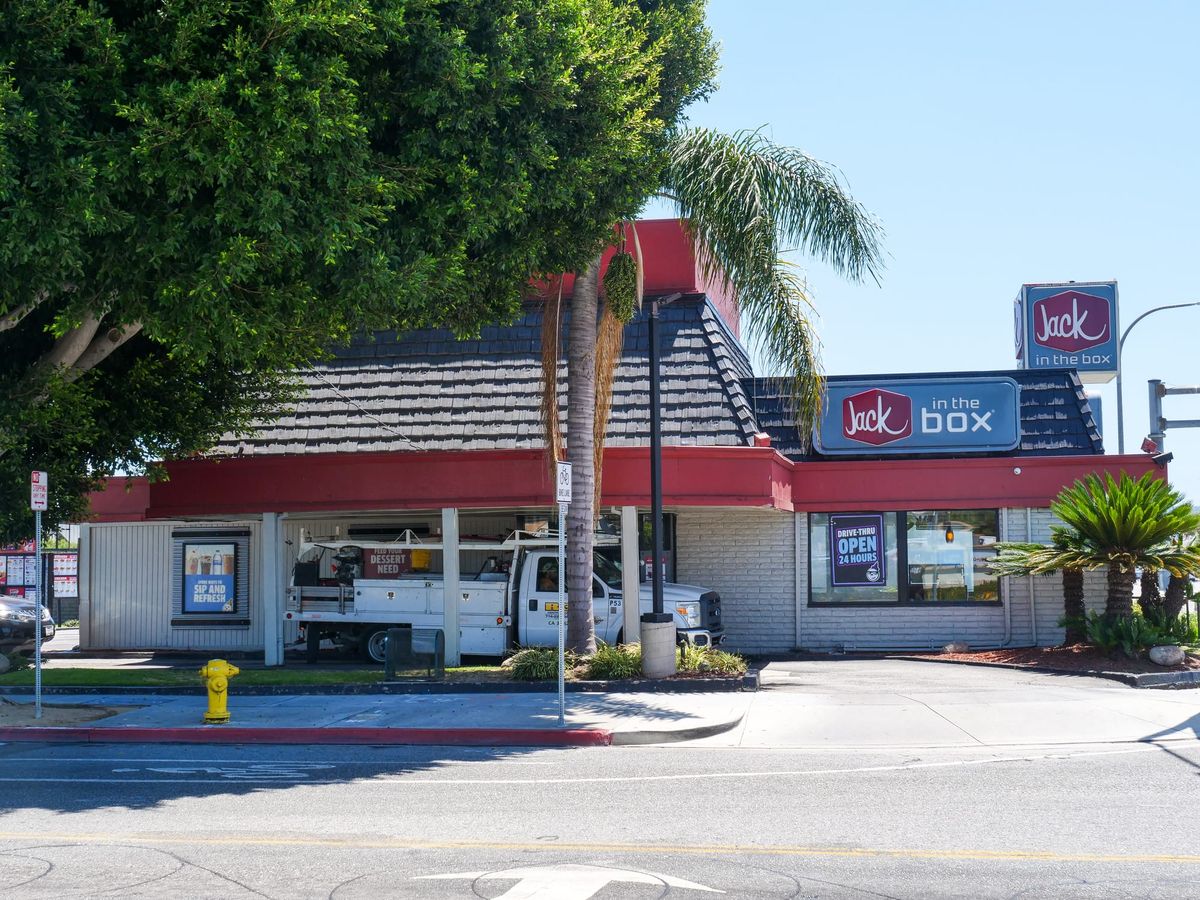
Food trucks will be required to use an electric generator to power the equipment they need, and city staff will also look into creating a policy on idling and implementing measures to ensure the burden of physical pollution like used utensils and food waste on Culver City parks will be minimized.
Stemming from idling, sound pollution, and other concerns, O’Brien suggested that the locations be fluid to ensure that certain homeowners are not inequitably burdened with the additional traffic and pollution directly in front of their homes. City staff presented fixed locations for the trucks because the work required to prepare a site for a food truck makes it difficult to relocate constantly, Ferguson explained Monday night.
“If we have [a fixed] spot, we can put parking regulations so that when the truck shows up, there's nothing interfering with them being able to just pull in and park,” Ferguson said.
As with many of the recent city council actions, the revenue generation potential from the additional business activity this program will enable was considered. Puza directed city staff to look into how food truck business interacts with sales tax, and how the city can capitalize on revenue from that.
The program’s specifics will be further considered and potentially finalized at a future city council meeting.


Comments ()