
Moratorium on new drive-throughs extended to 2027
As a temporary urgency ordinance implemented in June for 45 days was set to expire, the council extended the city’s moratorium on new drive-through building permits by 10 months and 15 days at its meeting Monday night.
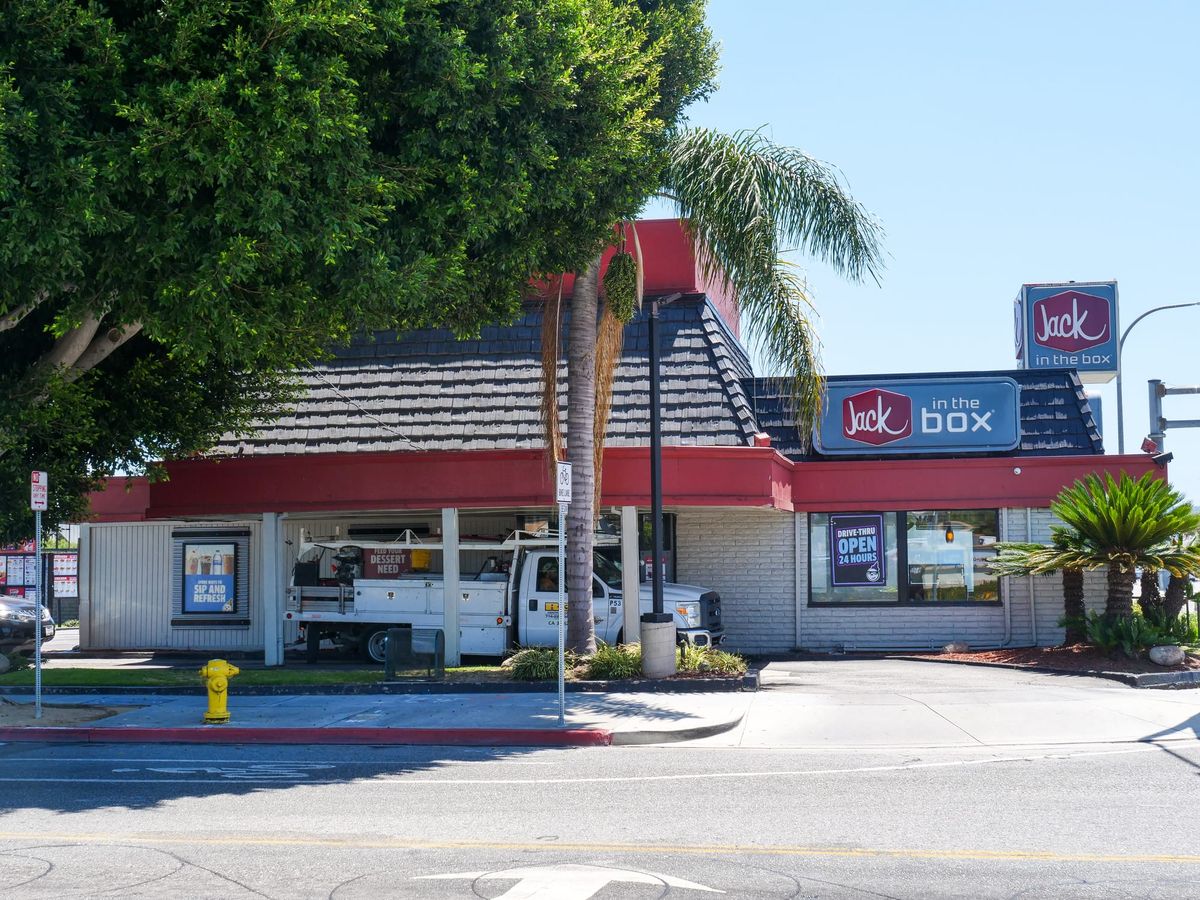

Culver City moved to extend a temporary moratorium on the issuance of building permits for new drive-through businesses from 45 days to a full year, giving the city’s various bodies ample time to craft a permanent version of the ordinance that would effectively ban the construction of new drive-throughs in Culver City. This extension will move the ordinance's sunset date to June 7, 2027.
Many have argued that the timing of the ban, implemented on June 8 as applicants for a controversial In-N-Out drive-through project on the northeastern corner of Sepulveda Boulevard and Sawtelle Avenue — which could have been the first new drive-through in Culver City since 1997 — were preparing to submit documents to the city, was targeted to ensure the specific project was not considered.
Vice Mayor Bubba Fish called for consideration of a ban on new drive-throughs on February 23, less than three weeks after the In-N-Out applicant held its second and final required community meeting as part of the application process, but before the project team first submitted a Preliminary Project Review Request Application to the city on March 2.
However, commitments to the ideas behind a new drive-through ban extend beyond this project's consideration. Culver City’s General Plan, the policy document that outlines the city’s goals, policies, and objectives that guide land use decisions, zoning, and infrastructure projects, includes goals that new drive-through projects are detrimental to achieving.
Some of these include a goal to create a carbon-neutral community by 2045 and ensure that occupants and visitors enjoy clean air, water, and soil when visiting the city, and those related to creating a safe and walkable city were also noted as being impacted by not just the proposed In-N-Out project, but new drive-throughs altogether.
Mayor Freddy Puza elevated this element above any particular project as the primary driver of his support for the ban and said he spoke with other leaders of communities, such as Long Beach and South Pasadena, that had implemented restrictions or bans on new drive-throughs for environmental reasons.
One that stuck out in particular was Santa Barbara, which implemented a ban in 1979 to “improve air quality with traffic circulation serving as a secondary consideration,” according to Santa Barbara city staff.
“More than four decades later, the policy has simply become a part of the community's identity and reinforces commitment to a more walkable community that is less centered on automobile convenience,” Puza said.
Community complaints stemming from these potential consequences of a new drive-through business, particularly on a site so close to an elementary school, echo these same concerns. On top of environmental and pollution-related concerns were those about safety and traffic, late-night activity, the cognitive load on students at the nearby El Rincon Elementary School caused by the alluring smells of cooking burgers, and more.
It was these community concerns that swayed Councilmember Albert Vera to support this movement. He noted that one of Monday night’s speakers, who argued against the ban and in favor of the In-N-Out project, held views similar to his initial thoughts on the topic. However, Vera felt it was necessary to defer to community concerns in this instance.
“We all have our hard lines and our principles,” Vera said of himself and his peers on the council, “but I think on certain things we can make a judgment call and listen to the community, and this is definitely one.”
This was a continuation of an item in which two council members — Vera and Dan O’Brien — recused themselves due to potential conflicts of interest. However, because four members were required to take action on the item, Vera was randomly selected to participate in June’s meeting and continued to do so Monday night, with O’Brien remaining recused.
The interim ban was originally implemented for 45 days, which would have expired on July 23. Interim ordinances of this kind can be extended for up to two years, which means this interim ban could last until June 7, 2028, if a permanent ordinance is not ready before that date. The ordinance has no impact on currently existing drive-through businesses and properties.

Comments ()