
Dear Culver City: Measure AA's cost is too high
EDITOR'S NOTE: This piece was submitted by a source unaffiliated with Culver Crescent and should not be interpreted as reflecting or confirming the opinion of The Crescent or its writers.

EDITOR'S NOTE: This piece was submitted by a source unaffiliated with Culver Crescent and should not be interpreted as reflecting or confirming the opinion of The Crescent or its writers. Click here to view the full Dear Culver City disclaimer
By Blair Seibert
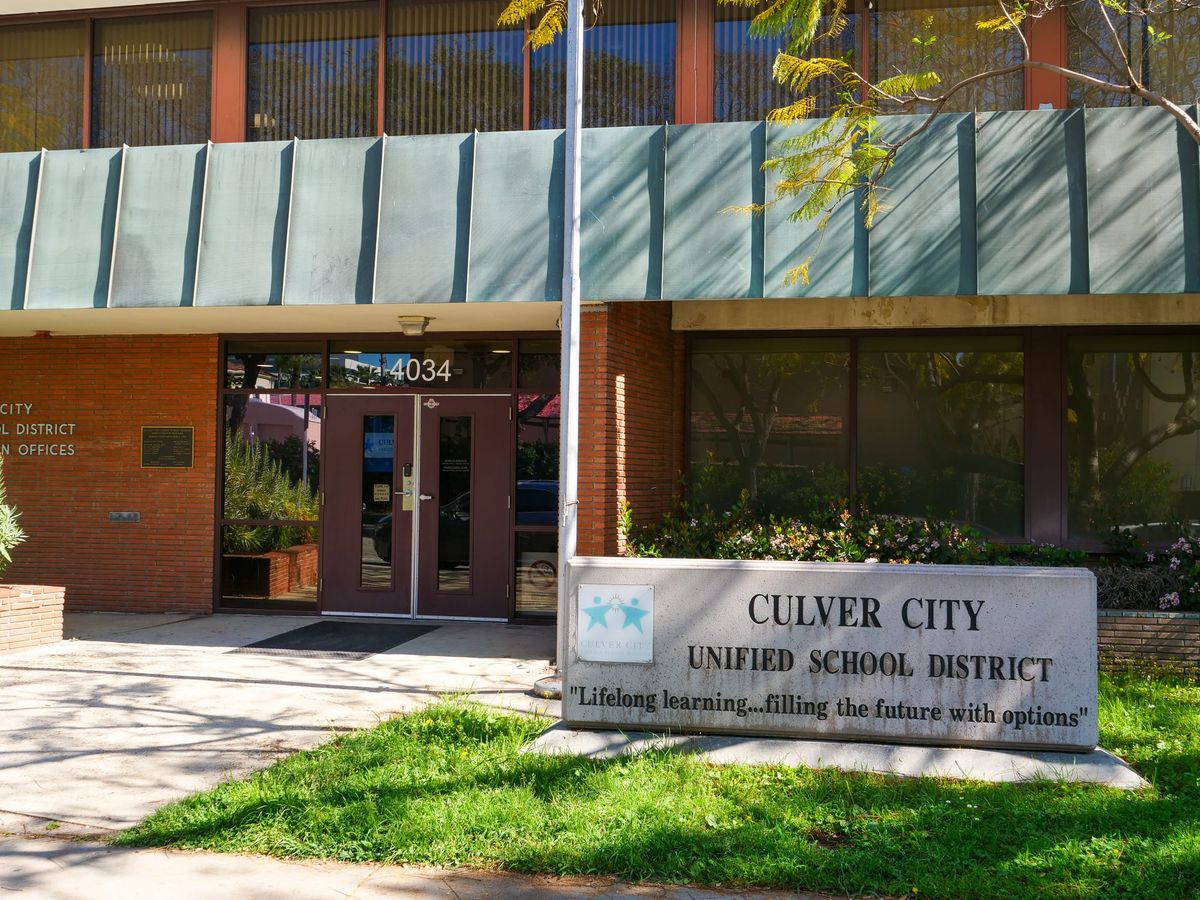
I love our City and am proud of its School District. At the same time, we need to find another solution to its school funding issues. Imposing another tax on property owners, especially one this drastic, places an unfair burden on a limited slice of our community.
Moreover, we need to ask the real questions. Why hasn’t the school district made the adjustments to avoid a shortfall? Why isn’t the state funding our schools as needed?
Making up for budget shortfalls should not fall on homeowners and property owners. Indeed, it’s estimated that Measure AA would add $500 to $2,000 a year to the tax burden for Culver City residents for the next 10 years.
First of all, the responsibility for public school funding falls on the state. So, it’s entirely reasonable to embrace and support our schools – and vote “No” on Measure AA.
Despite having the largest economy in the nation, about $4.25 trillion — the fourth-largest GDP in the world — California falls far short in school funding.
The state spends about $20,233 per student, trailing New York at $30,012, Vermont, New Hampshire, and other states. Data shows California clearly falls into “second-tier” funding for its schools.
Is it fair for one of the world’s largest economies to demand its property owners shoulder the costs of school funding? No, it is not. We need a better solution.
Closer to home, why does Culver City Unified School District have severe budget shortfalls? I would argue its mainly due to three key factors:
- It permanently increased expenses using temporary COVID relief funds
- Student enrollment is declining
- Personnel and operating costs are increasing
Agreeing to permanent increases with temporary COVID money was a fiscally irresponsible move. The District said “Yes” too much, and expected taxpayers to bail them out.
Declining student enrollment is also a real factor. Our student population has dwindled by 650 students since 2021. Just as households need to adjust when they lose the income from an out-of-work family member, the schools likewise need to make difficult decisions so the financial base remains healthy.
Rising personnel and operating costs is a reality everywhere. Culver City voters already acknowledged that when we extended the parcel tax two years ago with Measure O (November 2024) just a few months before we approved Measure E for $358 million in general obligation bonds (March 2024). These ongoing tax increases for property owners are unsustainable.
Just like with many families right now, the school budget is strained. Instead of asking us to carry the load for the budget shortfall, the District should review its expenditures for needed cuts.
At every turn, you hear local officials saying Culver City should be “more affordable.” Adding more tax load on property owners is the wrong way forward. This tax will not make housing more attractive or affordable to new homebuyers.
Not only does it make our city less desirable to live in, but it imposes cost increases in rents, retail prices, and the price for services. It also places another burden on small business owners like restaurants, shops, and independent repair workers.
To see how this tax will affect you, multiply the square footage of your house and other dwelling units by .48 — the average Culver City home of 1,600 square feet will pay another $777 a year for the next 10 years, while larger homes would pay more!
The CCUSD needs to go back to the drawing board on their budget and implement reality. Let’s just say “NO” to this tax increase.
Blair Seibert is a 26-year resident of Culver City.


Comments ()