
Citizens' Initiative Parcel Tax officially on 2026 ballot
The City Council officially placed the Culver City Public Schools Excellence In Education Act Of 2026, to be known as Measure A, AA, or S, on the November 2026 ballot at its meeting Monday night
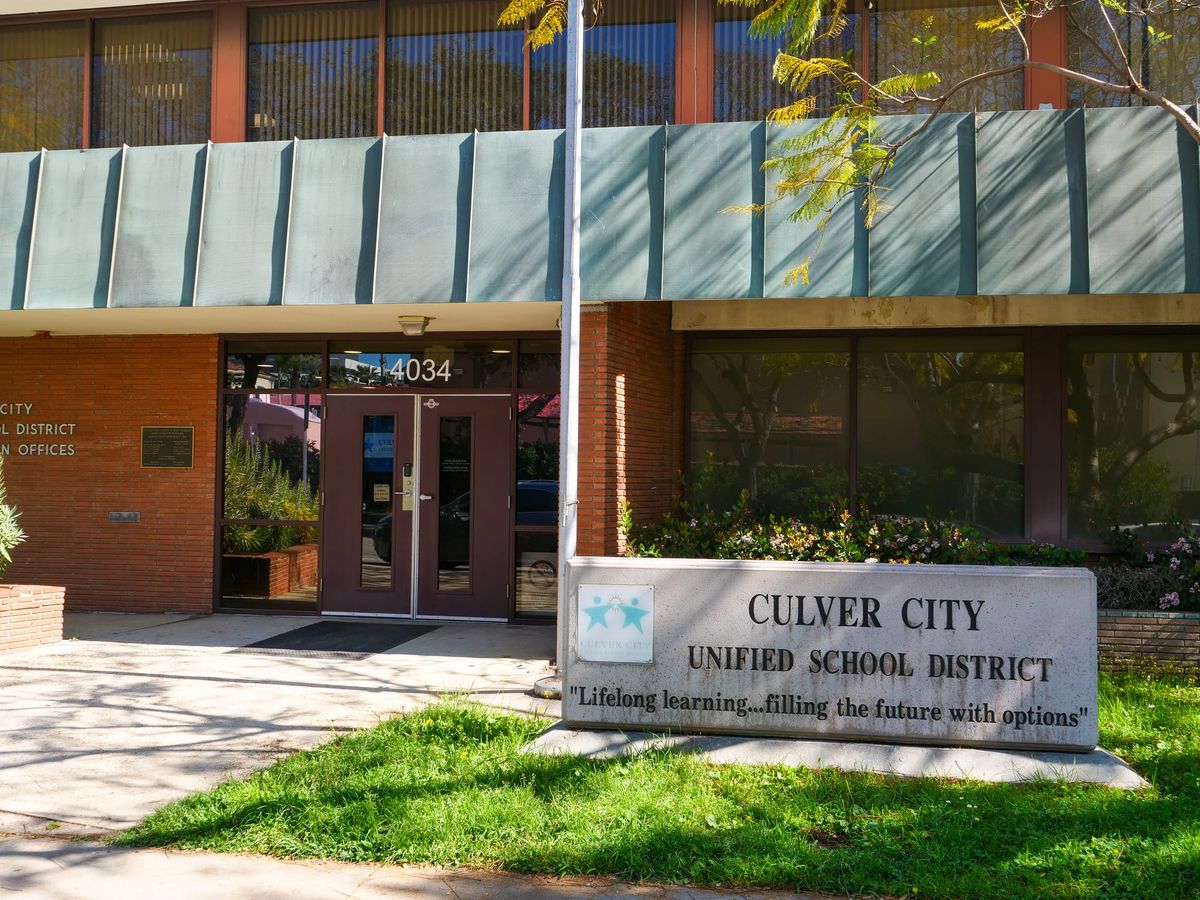

The Culver City City Council officially approved placing the citizens' initiative parcel tax measure on the November 3 ballot at its regularly scheduled meeting Monday night. Los Angeles County confirmed that the Culver City Public Schools Excellence In Education Act Of 2026 citizens’ initiative received more than the 2,912 signatures needed to qualify for the ballot earlier this month, and the council unanimously voted to put the Measure, which will be labeled as Measure A, AA, or S on the November 3 ballot.
Should this measure receive more than 50% of the vote in the election, it will implement a parcel tax of $0.48 per building square foot on parcels in Culver City — with a cap of $15,000 per parcel — for 10 years. The tax is expected to raise $18 million for the Culver City Unified School District, providing a key revenue resource to eliminate looming financial dilemmas should it be approved by Culver City voters.
The measure was inspired by a similar one that was overwhelmingly passed by voters in the Berkeley Unified School District in 2024. Berkeley’s Measure H, which proposed a $0.54-per-building-square-foot tax to reduce class sizes and fund arts and other “enrichment programs,” was approved by 88% of the nearly 29,000 voters in the 2024 Election.
Culver City voters have been favorable to measures benefiting CCUSD in recent years. There have been two bond measures and a previous parcel tax measure — the latter of which expires this year — proposed and passed in the city in the past 15 years; 2014’s Measure CC and 2018’s Measure K received more than 75% of the vote, and 2024’s Measure E passed with an approval rate over 60%.
One of the final steps before a citizens’ initiative can appear on the ballot in California is for the City Council to call for the election. The council also has the option to adopt the initiative outright without calling for a public vote in some cases, but Proposition 218 requires that new taxes be approved by voters before implementation.
This leaves the council with two options: call for the election to be held on November 3 or direct city staff to create a report analyzing the impacts of the potential measure. While a report was also potentially up for consideration, Monday night’s staff report indicated that there would not be enough time to produce this report before the November Election.
Such a delay would be against the city’s interests, as one of the conditions of the city's $2.5 million contribution to CCUSD last August was that a parcel tax be placed on the 2026 ballot to create an additional ongoing revenue stream and ensure the District does not need an additional lump sum from Culver City. As expected, the council voted to place the measure on the ballot.
Councilmember Dan O’Brien, whose wife Beverly works for CCUSD, pointed out that this tax was not intended to just serve as a patchwork solution, easily filling financial holes like the expiration of more than $3 million in tax passthroughs from the final wind-down of the Redevelopment Agencies in 2028-29 and the approximately $2.5 million deficit in this year’s budget alleviated by cuts to staff positions.
“It won’t just let us get by,” O’Brien said of the potential $18 million from the tax. “It will let our schools do the things they need to do to thrive.”
Should the measure pass, the city would collect the tax and remit that money to CCUSD. Parcel taxes are considered special taxes, which means taxes like Measure K normally need a two-thirds majority to pass. However, because this is a citizens’ initiative that qualified for the ballot, it only needs a simple majority (50% + one voter) to pass.

Comments ()