
Commission ponders future of CCARP program with frozen fees
PRCS Commissioners agreed that freezing the fees for the Culver City After School Program was beneficial for the community, but concerns over covering the significant costs of the program lingered in discussions
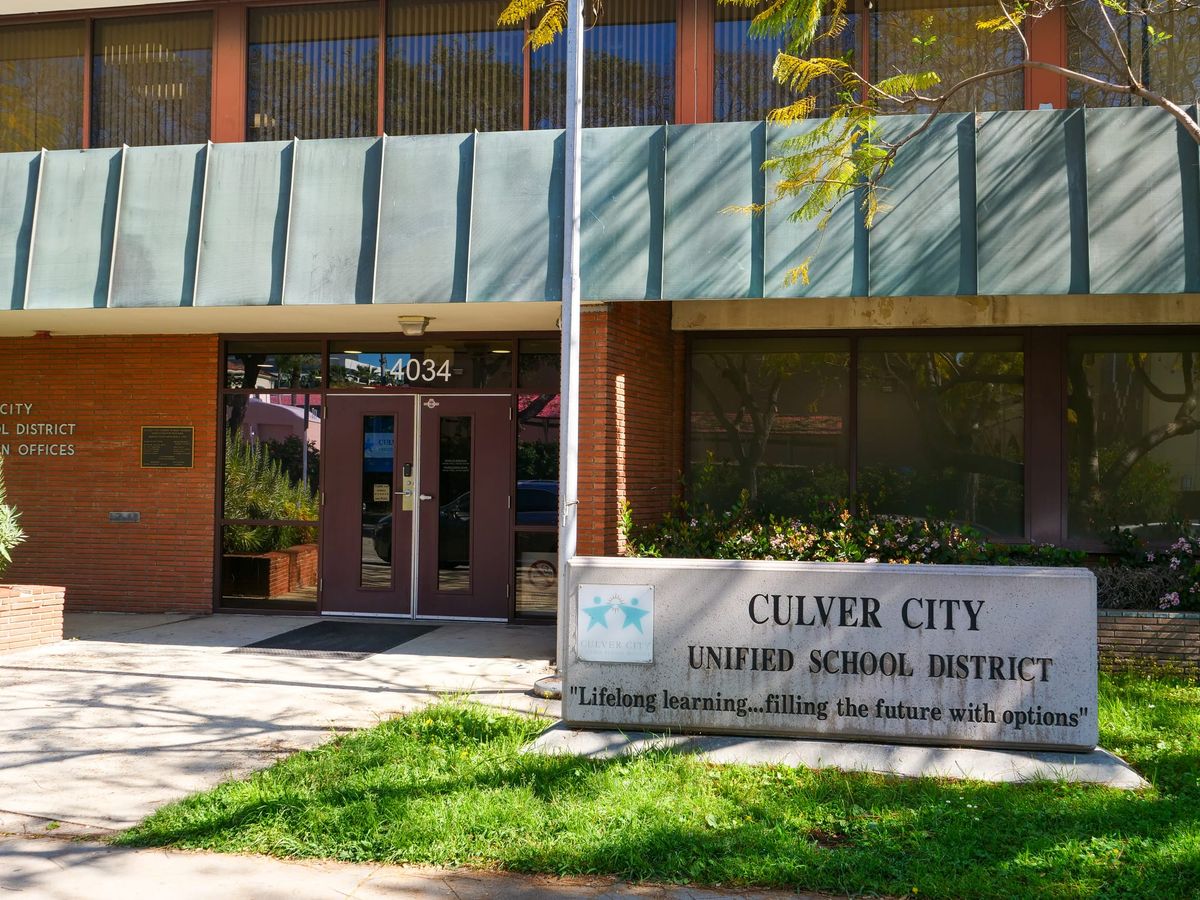

The Parks, Recreation, and Community Services (PRCS) Commission continued to consider the unfolding circumstances surrounding fee increases for the Culver City Afterschool Recreation Program (CCARP) at its meeting Tuesday night after community feedback reinforced the program’s importance.
These fees were set to increase dramatically after remaining static and unreviewed for more than a decade, but the increase will be delayed while staff evaluates how fees can be increased while minimizing impacts on families until the city’s next comprehensive fee study in mid-2027.
To further subsidize the program in the interim, city staff proposed implementing a CCARP Family Stabilization Fund to further assist families in the most dire straits. It is proposed as a confidential, income-based program that would rely on self-attestation rather than documented proof of qualified income levels, and the fund's data would be evaluated during the larger fee study.
“Staff would use this information to inform future affordability strategies and, as funding allows, consider adjustments to the assistance program,” the staff report says of Family Stabilization Fund data. “During the Citywide comprehensive fee update scheduled for late Fiscal Year 2026-2027, staff would return with updated fees and potentially a revised subsidy structure for CCARP.”
While PRCS Commissioners supported the community’s feedback to freeze fees at the current $51 weekly rate per child, cost concerns remained a prevalent topic during Tuesday night’s regularly scheduled PRCS Commission meeting. Commissioners considered a variety of revenue streams to fund ongoing cost increases for CCARP and programs across the Department as they discussed what the program's future might look like.
Part of the concern for parents who appealed to the city council for a freeze of these fees is that the city’s internal classification of the program did not reflect its significance to the community. In the internal review of PRCS Department fees, the CCARP was classified as a recreational program rather than the essential service that many residents see it as.
That recreational tag comes with a significantly higher cost-recovery target, and more than a decade of inflation led to the sticker shock for parents.
As a former city treasurer and parent who relied on afterschool recreation services for their children, Commissioner Crystal Alexander laid out the rationale for the increase. She outlined the need for more funding for the Department, lamenting that it had not reviewed its fees in such a long time.
Inflation from 2014 — the last time a review of PRCS Department fees was conducted — to 2025 has brought prices up in Los Angeles and Long Beach by 41%, Alexander noted, and residents were able to enjoy lower prices that only effectively funded the program under that older cost-of-living standard.
Vice Chair Marci Baun suggested that the city should continue to examine how to gradually adjust these fees to reflect the current costs of running CCARP, and Alexander argued that the Department should conduct broad fee updates more regularly to ensure a similar situation does not unfold in the future.
“It isn’t fair to the community to have to swallow and absorb [a cost increase at] that high level,” Alexander said Tuesday night.
Alexander noted that the potential revenue from the Measure T Transient Occupancy Tax increase that is being put before Culver City voters in November could be a resource the council could appropriate to the PRCS Department to help bolster the CCARP budget.
Commissioner Thomas Whitaker suggested potentially looking to money coming from Measure CL, the 0.25% sales tax measure approved by Culver City voters in 2025 that raised more than $1 million in Q1 of 2026, according to a report by HdL Companies.
While he also supported keeping the fee at its current rate, Whitaker acknowledged the costs of running the program. At its meeting on June 8, the council granted a $100,000 allocation to the PRCS After School Program account, which will be used “to provide partial or full CCARP fee assistance to eligible families.”
Still, Whitaker was direct about the need for the city’s most influential decision-makers to direct additional resources to run programs like CCARP, which the community has deemed an essential service.
“I am wondering if [we should go] to Council and ask them to possibly put more resources into this program in general rather than acting like it is a secondary program,” Whitaker said. “I don’t want to see any child get pushed out, or a parent lose their job because they now have to watch a child.”
Chair Maggie Peters pointed out that the Department has a plethora of other concerns to address, such as hours for Senior Center employees, wages for part-time workers, and other maintenance costs for park facilities citywide. She noted that it wouldn’t benefit the Department as a whole if money used by PRCS in different fields were diverted to subsidize CCARP, and pointed out that borrowed money through venues like grants and bonds can only go so far to keep programs funded.
“All of the money is needed for PRCS,” Peters said of its current allocation. “When we think about these things, we have to think about where this money comes from.”



Comments ()