
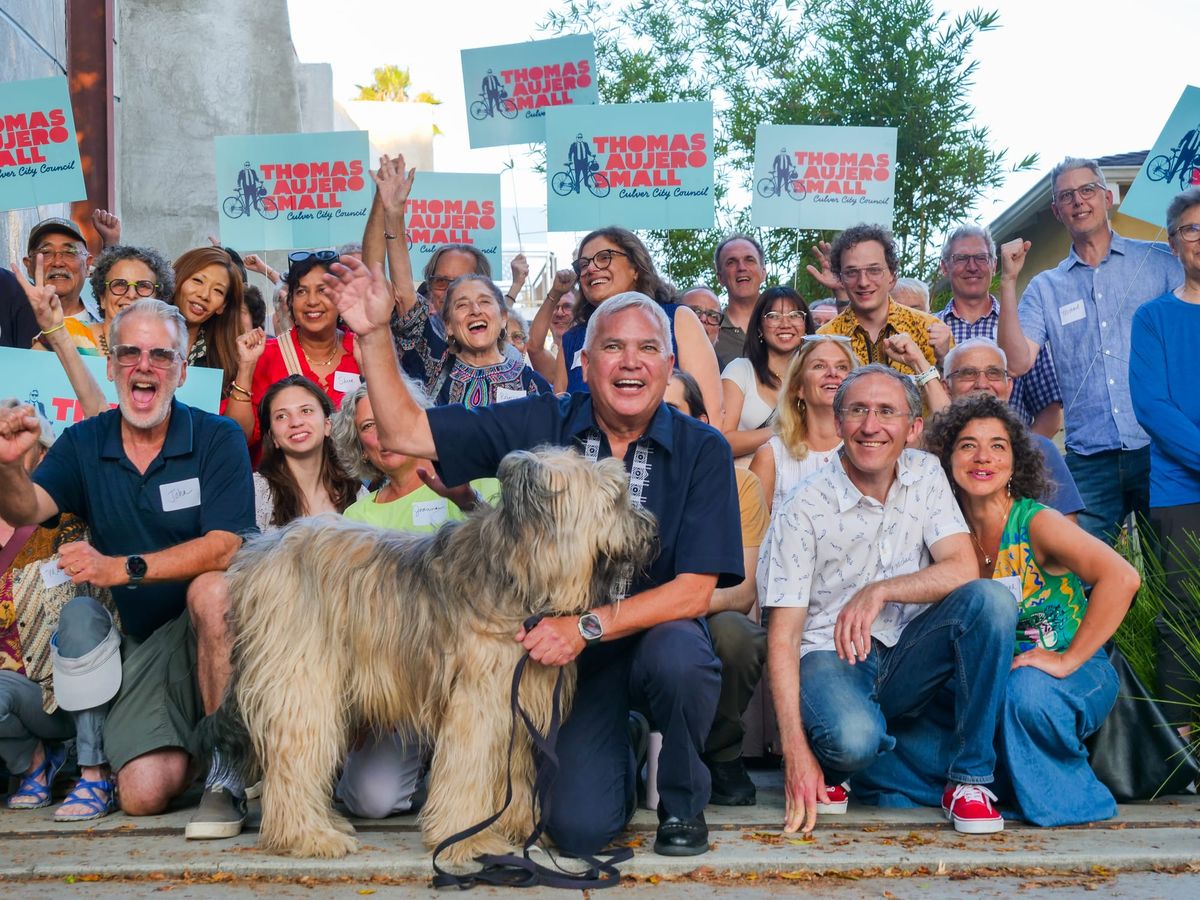
City Council Candidate Thomas Small sat down with Culver Crescent Publisher Christian May-Suzuki to discuss his policies and positions for voters ahead of the 2026 General Election
The 2026 Culver Crescent Candidate Series is a key feature of our Voters’ Guide for Culver City residents for the November 3, 2026 General Election. As part of this series, candidates running for public office in Culver City sat down with Culver Crescent Publisher Christian May-Suzuki to share their thoughts and positions on the issues on residents' minds.
An edited transcript of these roughly one-hour interviews appears below. The length of these interviews was intentional, allowing candidates to contextualize their points and positions for residents less familiar with the scope of questions facing Culver City and CCUSD. For those more familiar with Culver City politics, key points and positions are highlighted throughout the transcript.
Thomas Aujero Small, Urban Development Strategist
Housing, public safety, accessible streets and reliable transportation need to work together. A city where people can find a home and move around safely and efficiently will serve us better at every stage of life.
Biography
Occupation
- Urban Development Strategist
Hometown
- Woodside, California and Iloilo, Philippines
Time Living in Culver City
- 20 years
Why You Came to Culver City
To build a home and raise a family in the last best place on the Westside.
City Involvement
- Volunteered at Linwood E. Howe Elementary
- Served as Cultural Affairs Commissioner
- Founded Culver City Forward
- Served as Councilmember/Mayor: 2016-2020
Other Notable Involvement (Outside Culver City)
- Southern California Association of Governments
- Westside Council of Governments
- California League of Cities
- L.A. Metro Sustainability Council
One Thing You Wish More People Knew About You
My gorgeous new book, Music and Architecture in Harmony is now available at Village Well Books and Coffee, and will make an exceptional holiday gift.
Favorite Thing to Do in Culver City
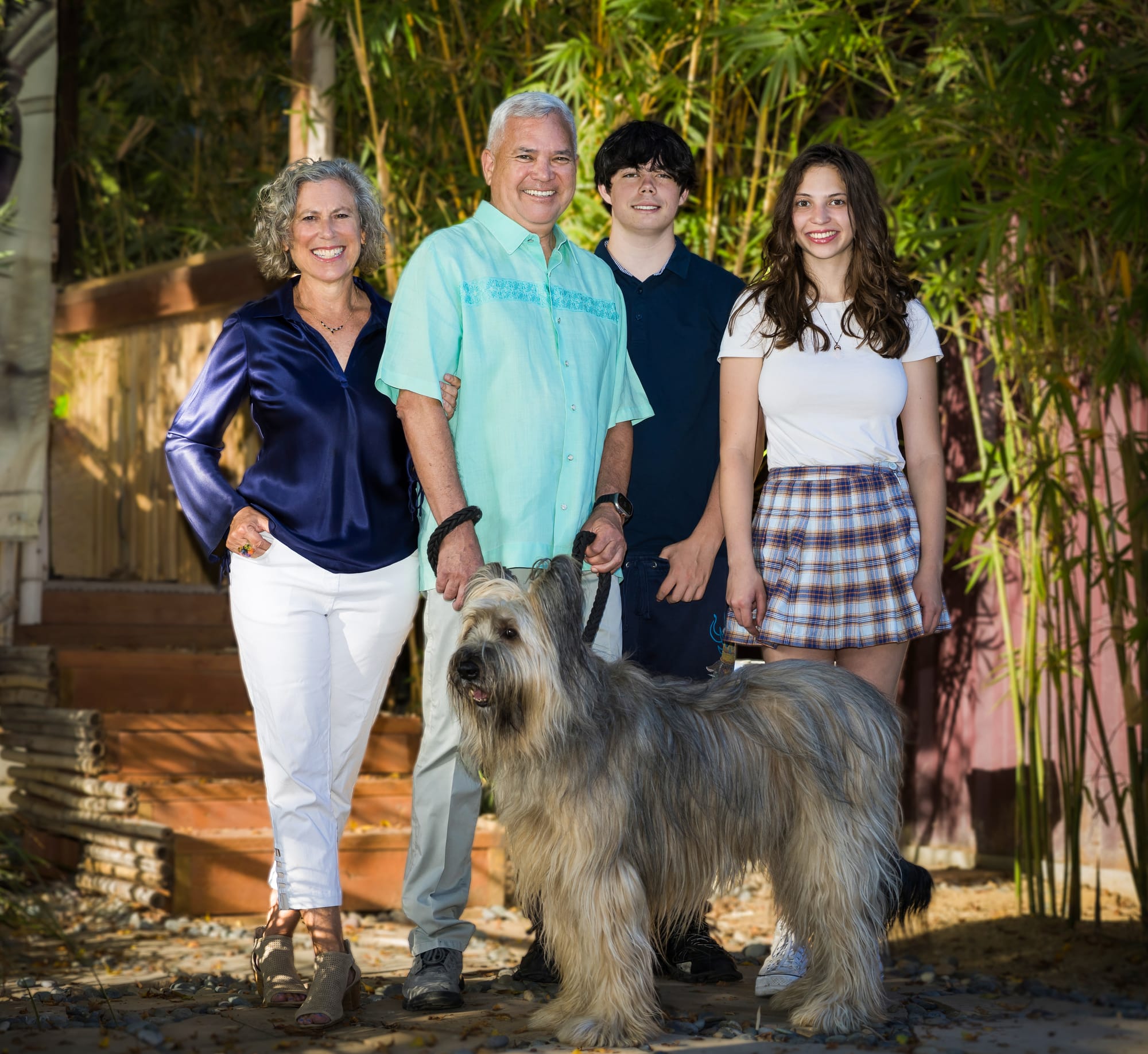
Walk my giant adorable sheep dogs everywhere.
Notable Endorsements (Full List Here):
Culver City
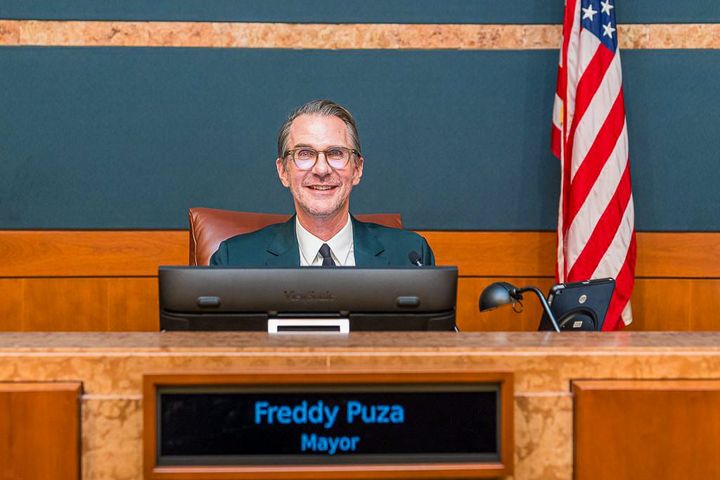
- Culver City Mayor Freddy Puza
- Culver City Vice Mayor Bubba Fish
- Culver City Councilmember Yasmine-Imani McMorrin
- Culver City Mayor (Former) & National Sierra Club Board Director Meghan Sahli-Wells
- Culver City Mayor (Former) David Hauptman
- Culver City Mayor (Former) Gary Silbiger
- Culver City School Board President (Former) Dr. Kelly Kent
- Culver City School Board President (Former) Barbara Honig
- Culver City School Board President (Former) Paula Amezola
- Culver City School Board Member (Former) Stephen Schwartz
- Culver City Democratic Club
- Our Culver
Los Angeles
- Los Angeles County Supervisor Lindsey Horvath
- Los Angeles County Supervisor Janice Hahn
- Former Los Angeles Mayor Eric Garcetti
- Los Angeles City Controller Kenneth Mejia
- Former Los Angeles City Controller Rick Tuttle
- Inglewood Mayor Jim Butts
- Santa Monica Mayor Caroline Torosis
- Santa Monica Mayor Pro Tem Jesse Zwick
- Santa Monica City Councilmember & Chair, Santa Monica Pier Board Dan Hall
- Former Santa Monica Mayor Pam O'Connor
- Santa Monica Mayor (Former) Gleam Davis
- West Hollywood Councilmember and Former Mayor John Erickson
- West Hollywood Councilmember and Former Mayor Chelsea Byers
- Berkeley City Councilmember Igor Tregub
- Sierra Club
- Stonewall Young Democrats
- Streets for All
- Westside Young Democrats
- YIMBY Los Angeles
- Los Angeles League of Conservation Voters
- LA County Veteran Democrats
California
- California Democratic Renters Council
National
- Americans for Democratic Action
- Democratic Municipal Officials
- Honor PAC
- Center For Biological Diversity Action Fund
- Jane Fonda Climate PAC
Campaign Website
https://www.smallforculvercity.com/
Opening Statement
I’m delighted to be here, and excited to be running for Culver City Council again. I was first elected ten years ago, after serving on the Cultural Affairs Commission.
People often ask why I didn’t run for a second term. My daughter was in middle school then, and she threatened to campaign against me if I ran again. When I was mayor, I didn’t see enough of her, and she wanted more time with me while she was growing up. Now she’s at Oberlin, studying political philosophy, and she’s fully supportive.
Running again hadn’t been my plan. But when Dan O’Brien decided not to seek reelection, my wife, Joanna, encouraged me to consider it. Looking at where the city is today, and seeing work we began during my Council service coming to fruition, made me eager to help carry it forward.
Before joining the Council, I had spent years writing and consulting on architecture and urban planning, studying how cities work around the world. That experience drew me into local government. Culver City was preparing to update a General Plan that hadn’t been comprehensively revised in more than twenty years, and I wanted to help shape that work.
During the campaign, I became known as the traffic guy. I knew something about circulation and urban planning already, but serving on the Council taught me much more about the scale of the challenge. What we're trying to do here in Los Angeles is basically to take 10 pounds of cars and stuff them into a five-pound bag
During my Council service, I helped guide the General Plan update. I’m excited to build on that work and help turn our plans into improvements people can experience in their everyday lives.
On Culver City’s Fiscal Position
Culver City has considerable strengths, but we’re operating in a difficult economic environment, particularly for commercial real estate and office space. Through my work with the Urban Land Institute, I follow those challenges closely. I believe our location, businesses and neighborhoods give us a strong foundation, but we need to be realistic about the pressures on city finances.
The city’s Public Finance Authority provides a way to pursue lease-revenue financing for infrastructure and other approved purposes. Bond financing itself is not new to Culver City. What matters is understanding this particular arrangement: what we’re financing, how we’ll repay it, and what those obligations mean for future budgets.
During my Council service, I worked closely with John Nachbar, our former city manager, whose expertise I greatly respect. That experience reinforced how important it is to examine financing decisions carefully and explain them clearly to the public.
Alongside substantial private investment, redevelopment efforts helped make projects such as Culver Steps and Ivy Station possible. I’m proud of the role I played in those projects and of what they’ve brought to the city. Culver Steps has become a popular gathering place, and Ivy Station shows the potential of development connected to transit.
I think bonds can be an appropriate tool for long-term improvements, including streets and sidewalks, provided the city can afford the repayment obligations. We should judge a financing proposal on its terms, costs and public benefits. Residents deserve a clear explanation of both the opportunities and the risks.
I’m optimistic about Culver City’s future. Protecting that future means making thoughtful investments while keeping our finances resilient.
On Priorities for Improving Culver City
When I first served on the Council, rising rents and the threat of displacement were putting pressure on working- and middle-class families. I helped initiate renter protections and rent control, and protecting people’s ability to stay in their homes remains a priority. I also want to look at how we preserve naturally occurring affordable housing by supporting responsible mom-and-pop landlords as well as their tenants.
The environment was another major priority. I helped advance the effort to phase out oil drilling in Culver City’s portion of the Inglewood Oil Field. Seeing that work through is important in its own right. Looking further ahead, the broader field presents an opportunity for Culver City and the region, although cleanup and future uses still need to be worked out.
During my Council service, I helped guide the General Plan update. The city now has an adopted General Plan and a state-compliant Housing Element. The next challenge is turning that planning into homes. Financing and construction conditions make that difficult, but we need more housing, including affordable and workforce housing, and I want to help those projects move forward thoughtfully.
A shortage of homes people can afford is a major driver of homelessness. Building more housing is essential, alongside the services people need to remain housed or move into stable housing. My experience working with architects, developers and cities gives me a practical perspective on how to help make that happen.
Downtown is one place where I think more housing and additional height can work well, with careful attention to neighboring properties. Culver Steps and our restaurants draw people from across the region. More residents downtown would support foot traffic and activity throughout the day and evening, helping sustain shops and everyday services as well as restaurants.
Our boulevards offer another opportunity. Through my work with the Livable Communities Initiative, I’ve explored how corridors of one-story buildings could accommodate several stories of housing above ground-floor retail. Getting the design and connections right can give more people a place to live while strengthening the neighborhoods around them.
I believe that kind of growth can help address our fiscal pressures, support local businesses and strengthen the city’s economic base.
Modernizing public safety is also important. I support our police department, and I’d like to increase funding for the Mobile Crisis Unit so it can be fully staffed and operate around the clock. When someone needs a medical or mental-health response, the goal should be to send professionals equipped for that need, with police support when necessary. That can help people receive appropriate care while allowing officers to focus on work that requires their training.
These priorities — housing, public safety, accessible streets and reliable transportation — need to work together. A city where people can find a home and move around safely and efficiently will serve us better at every stage of life.
On Working with Residents
I want everyone to feel heard. Listening doesn’t mean we’ll always agree, but people deserve a fair opportunity to explain their concerns and understand how decisions are made. We can improve the ways we bring residents into those conversations.
During my Council service, a controversial development in Fox Hills showed me how important the format of a public meeting can be. A grant from the Mayors Innovation Project, a national network of mayors, paid for assistance from the National Institute for Civil Discourse.
With that support, we held two facilitated meetings in the neighborhood, with about sixty participants at each. People sat around tables and used phones or tablets to submit questions and responses. An independent facilitator helped guide the discussion.
That meant we could hear from people who might never have stepped up to a microphone, and no one person could dominate the room. It helped us understand the range of views. That kind of outreach takes resources, but it can make the conversation much more useful.
I’m also interested in the civic assemblies the city has been exploring. I watched the Council presentation and was encouraged by what participants described. We should learn from those experiences as we consider other ways to involve residents.
Another approach I’d like to explore is a community platform incorporating liquid democracy. Imagine something like Facebook or Nextdoor, but with membership limited to verified members of our community, participating under their actual identities, without aliases or anonymous accounts. The city would operate the platform and moderate discussions, giving us a shared place to communicate and imagine the city’s future.
Any member could raise an issue or make a proposal for others to discuss. The city could post its own proposals, ask questions and conduct surveys or advisory votes. Binding decisions would be a separate possibility only where legally authorized, with the necessary procedures and safeguards; the platform would not automatically replace Council decisions or official elections.
The liquid democracy element would let you participate directly or delegate your vote on a particular issue to a neighbor whose knowledge you trust. If someone has particular expertise in transportation, for example, you could ask them to represent your view on that subject. You could withdraw that delegation at any time and participate yourself.
Discussions would be organized by issue, with comments linked to participants’ identities and retained as a history people could revisit. You could see how an idea developed, what questions were raised and how people responded, rather than losing the conversation in a constantly moving feed. We would need clear rules for participation, moderation, privacy and record retention, as well as ways for people who do not use the platform to remain involved.
I’ve also spent several years working on the idea of a digital twin: a model of a city or neighborhood that people can explore and use to compare proposed changes. You could see a proposed building in context, look at views and shadows, and understand how it relates to the surrounding streets.
The digital twin needs to be data-driven. With reliable data and appropriate modeling, it could also help us estimate water and electricity demand and traffic impacts. The assumptions would need to be clear, so people could understand what the model is showing and where there is uncertainty.
Connecting that model to the community platform could make the discussion much more concrete. Residents could examine a proposed project, comment on what they see and compare alternatives, with the discussion retained alongside the proposal.
I’d like to explore that approach as we develop the Hayden Tract Specific Plan. It could give us a shared, understandable picture of the choices before us and a more informed, ongoing conversation about the neighborhood’s future.
On Better Overland, Sepulveda Connects, and the Mobility Approach
Transportation is a difficult challenge because we don’t have room for all the cars we’re trying to accommodate, and we can’t simply keep making more room. Giving people useful alternatives to driving is an important part of making the system work better for everyone.
I’ve studied these questions for decades. Researching my book on concert halls and opera houses gave me another perspective through five trips to European cities of different sizes and types.
I traveled with my writing partner, who is now eighty-nine and has mobility challenges after having polio as a child. In some cities, thoughtful design made it remarkably easy for us to reach our destinations, park when we needed to, and get into the halls.
That experience sharpened my conviction that we should begin by asking how a street or transportation service works for people with mobility challenges. If we make access work well for them, we can make it better for many other people too.
I’d like more frequent bus service, with better connections to the places people need to go. A clean, safe bus that comes every ten minutes and takes you where you want to go is a much more useful option than one that requires a long wait.
Dedicated bus lanes can also serve as emergency-access lanes, allowing police and fire vehicles to bypass congested traffic. With the right design and clear access, they can help emergency crews reach people faster — a public-safety benefit as well as a transportation benefit.
The connections matter just as much as individual projects. A route is far less useful if it stops before you reach your destination or leaves a difficult gap in the journey. We need to look at the whole trip, whether someone is walking, cycling, taking transit or driving.
I support the direction of Better Overland and Sepulveda Connects, with careful attention to their design and implementation. What works in Amsterdam or Copenhagen won’t necessarily work in exactly the same way here. We need to adapt the approach to Culver City and listen to the residents and businesses who use these streets every day.
We also need to coordinate with Los Angeles so that routes connect across city boundaries. People’s journeys don’t end at the city line. The goal should be a network that makes it easier to reach our neighborhoods, businesses and regional transit, with the needs of older adults and people with mobility challenges considered from the beginning.
Parking needs to be part of that discussion. Surface parking takes a great deal of land, and well-designed shared or stacked parking can use space more efficiently. The automated structure at Helms Bakery is one example of a different approach, although costs and suitability need to be evaluated for each site.
We’ve been discussing these changes for years. The work now is to make them function well here, with thoughtful design, clear communication and a willingness to adjust what isn’t working.
Our city will keep changing; I want us to shape that change so people have more practical ways to get around, with each mode working as well as it can for the people using it — whether they’re driving, taking a bus, cycling, walking or traveling another way.
We began to design and imagine this 10 years ago. It's actually starting to happen now, and people will come to see that it's going to work better when it's designed thoughtfully and carefully.
We can’t just do nothing because you think somehow we're going to go back to the 1950s, because that's not going to happen.
On Jubilo Village and Building Affordable Housing
I understand the controversy over Jubilo Village. I was involved at the beginning, and I support the project because Culver City needs more affordable housing, including homes for people with very limited incomes and people who need additional support.
The project will provide 95 apartments: 93 affordable homes and two manager apartments. The affordable apartments serve a range of lower-income households, including 42 designated for special-needs households. It is important to understand that mix when we discuss what the project provides and what it costs.
At first glance, I wondered whether the money might be spread across more projects. But looking more closely at the households it will serve and speaking with people involved helped me understand its value. We need a range of housing options, and projects serving people with lower incomes and greater support needs are an essential part of that.
The church’s willingness to make its property available is a significant contribution. I also knew the developer’s work from my years in Santa Monica, where it was building affordable housing in my neighborhood.
I think the Council made the right decision in supporting Jubilo when the project was at risk. That does not mean every housing investment should follow the same model. We also need workforce housing and market-rate homes, alongside deeply affordable housing. I want us to look at those needs together and help a range of projects move forward.
For me, Jubilo is an important part of that larger effort: creating more homes for people who otherwise have few affordable options in Culver City.
On the Direction of Unhoused Services
I think we need to do more, and I want to understand the city’s current programs in detail. I haven’t been involved in their day-to-day development over the past few years, so I would begin by listening to staff, service providers and the people who rely on them.
As the city considers the future of Wellness Village and plans for affordable housing, we need to be clear about the transition. Proposed housing is not the same as homes ready for people to move into, and different programs serve different needs. We need to understand what will be available, when it will be available and how people will continue receiving support.
Safe parking is one option I’d like us to examine. We discussed it during my previous Council service, and it could help people living in cars or campers, including people who are working but still cannot afford a home. A secure place to park, with sanitation, services and help finding permanent housing, could provide stability while they make that transition. It would be one part of our response, suited to some people’s circumstances.
The Mobile Crisis Unit is important as well. People experiencing a mental-health or medical crisis need an appropriate response from trained professionals. As we work toward getting more people housed, we also need the capacity to help those who are struggling right now.
I joined a large group of elected officials, including Assembly members, state senators, and mayors from around the state, in the first of a series of field-study delegations to Vienna, Austria, alongside affordable housing providers.
We studied Vienna’s social housing system and visited the final presentation of its International Building Exhibition, or IBA, which focused on “New Social Housing.” Seeing that work firsthand was inspiring. Numerous California delegations have followed, and I believe these exchanges have already had a significant influence on how we think about affordable housing and housing production here.
Vienna has spent generations building and supporting housing that serves a broad range of households, including middle-income residents. It still faces homelessness and housing challenges, but its long-term commitment offers lessons about keeping homes affordable and making housing part of the city’s basic infrastructure.
We cannot simply transplant that system to California. We can learn from its sustained investment, the range of people it serves and the importance it places on housing stability. I want to help build the homes we need here while connecting people with the support they need to move into housing and remain there.
On SB79, Single Family Neighborhoods, and Balancing Density
I recently moderated a panel on SB 79 for Infrastructure Justice for Los Angeles, a coalition of advocacy groups. The discussion focused on separating misconceptions from what the law actually does. Preparing for it, and using slides from the Livable Communities Initiative, helped me explain the choices facing Culver City.
SB 79 allows greater housing density and height near qualifying transit. One approach concentrates that additional capacity around stations. Another looks at how we might accommodate more housing along commercial boulevards. Culver City has directed staff to develop alternatives and is considering approaches focused on stations, corridors or a combination of the two.
The longer-term alternative plan has not yet been adopted, and I want to be clear about that distinction.
I’m interested in the corridor approach because it offers a way to create more homes while paying careful attention to the neighborhoods around them. We need to examine the actual proposals — their capacity, design, transitions and connections — rather than assume that a particular shape on a map will resolve every concern.
The amount of land reserved for single-family housing is a legitimate part of that discussion. The Terner Center reported in 2021 that, before SB 9, nearly 75 percent of California’s residential land was zoned for single-family homes.
That is a historical figure about residential land, and the legal framework has changed since then. The broader question remains: how do our land-use rules affect who can find a home here?
I want us to put our energy into building the housing we need and finding workable solutions with residents. Downtown offers opportunities for taller housing, with careful attention to neighboring properties, infrastructure and public space.
Along the boulevards, good design can help new buildings fit their surroundings while creating more homes and supporting local businesses. Those choices will still involve disagreements, but we can work through them constructively.
One lesson I took from Vienna was the value of giving neighborhoods a clear stake in new housing. In one development we visited, on a former Imperial Austrian Army site, a large park had long stood behind an ornate iron fence. Neighbors could see the grounds but could not use them.
As we learned on the visit, opening that park to the surrounding community was an important reason residents welcomed the housing. The development created homes for hundreds of families while bringing both the park and the new homes into the life of the neighborhood.
That’s the approach I want to pursue here. When people can see how new housing will improve their own quality of life, we have a better chance of building a consensus and a smoother path toward getting homes built. I want to involve residents early, understand their concerns and look for benefits they value.
The goal is for neighbors to welcome new housing as something that strengthens their community, with homes and public spaces that work well for everyone. Let's see if we can approach this growth in a way that works smoothly and that people want, rather than getting stuck on the fights and having the energy and resources spent that way.
On Park and Public Space Improvements
I’d like our parks to be better maintained, more inviting and easier for everyone to use. We can learn from parks in Beverly Hills, Santa Monica and nearby Los Angeles neighborhoods. Palisades Park in Santa Monica and Holmby Park in Los Angeles are examples of the care and quality I’d like us to aim for.
Corporate partnerships could help with some improvements. We have successful businesses here, and I’d like to explore ways they could contribute alongside public investment. We also need more trees, greenery and places to gather, including opportunities we can identify through neighborhood planning in areas such as the Hayden Tract.
Bill Botts Fields are an important community resource. The city has begun its reconstruction effort, and I want to see that investment deliver safe, well-maintained fields that serve residents for years to come.
Ballona Creek offers a larger opportunity. During my Council service, I advocated for it as a linear park connecting neighborhoods across the city. Palisades Park offers a useful comparison: a long public space where people can walk, sit and enjoy views of the ocean.
Along Ballona Creek, we could create places to enjoy the creek and views toward the mountains, with greenery, benches, lighting and walking paths alongside the bike path.
I’d like us to explore what could be added along the upper banks, above flood flows where feasible, with flood-control and engineering requirements guiding the design. The aim would be to make the creek a place to spend time as well as a route through the city, while preserving its important role for cycling and active transportation.
I’ve continued working with advocates on the creek and its bike-path connections since leaving office. The proposed extension toward Mid-City Los Angeles has received support and funding to advance the work, but completing it will require further funding and coordination. That extension is separate from improvements to the existing path within Culver City.
On the Introduction of New Technology
I mean, on the question of AI overall, nobody, not even the smartest people in our society, know what is going to happen. Artificial intelligence is changing quickly, and even the people developing it cannot tell us exactly where it will lead. I follow those discussions closely.
My hope is that we can use it as a useful tool, while asking practical questions about what it does well, where it falls short and who is accountable for its use.
At the local level, surveillance technology raises immediate questions. Based on what I know now, I would oppose using Flock cameras, and I want to examine the issue more closely. My concern is how much information these systems collect, who can access it and how we prevent it from being misused.
LAPD has suspended its use of Flock cameras, which is different from permanently abandoning them. Los Angeles has also been scrutinizing a proposed replacement program. We should look carefully at those experiences, but changing vendors alone does not resolve the underlying privacy questions.
Before adopting a system, I would want clear answers about its purpose, the evidence that it helps, how long information is retained and whether it can be shared with other agencies. There also need to be meaningful limits on access, oversight and consequences for misuse. Residents should understand what the city is collecting and why.
Camera technology can serve useful purposes. In some European cities, cameras help manage access to restricted streets or administer congestion charges. Those are specific applications with their own rules. They give us examples to study, rather than a reason to assume that every surveillance system is appropriate or that misuse cannot happen.
I want us to evaluate each technology on its actual benefits and risks. The question is how it helps Culver City, what safeguards it requires and whether we can achieve the same goal with less intrusion into people’s lives.
On City Council Meetings and their Structure
Boy, this is a hard nut to crack.
When I was in office, we had a real problem with packed agendas pushing meetings until one or two in the morning. That’s difficult for residents, staff and Council members, and it doesn’t make for the best discussion or decision-making.
I’ve noticed efforts to keep the meetings moving, including shorter speaking times. Those limits need to be clear, and we need to distinguish public comment from Council discussion. I’m open to adjustments that help meetings function better, but people still need a meaningful opportunity to be heard and Council members need time to work through complicated questions.
A lot comes down to how we build the agenda. The mayor, Council members and staff need to look ahead and avoid putting more business into one evening than we can reasonably handle. We should also think about who needs to be there. If an item involves children, for example, let’s hear it early enough for them to participate and still get home at a decent hour.
I’d also like to look at how we use Council committees to work through issues before they reach the full Council. They can provide a more focused setting to examine details and develop recommendations, while keeping the public involved. That preparation could help the full Council spend its time on the decisions it needs to make.
When there is more business than we can handle well, we should consider additional meetings rather than routinely stretching the night into the early morning. That also means making sure staff and elected officials have the support to prepare for and participate in those meetings.
During my 2016–2020 Council service, I dealt with these challenges firsthand. Culver City is a small city, but the scale and complexity of its work have grown. We have major employers, significant development decisions and responsibilities that affect the wider region. We need to make sure the way we govern keeps pace with that work.
There isn’t one adjustment that will solve it. Better agendas, thoughtful preparation, clear procedures and adequate support all matter. I want meetings where residents can participate, Council members can deliberate and we can get the city’s business done at a reasonable hour.
We’ve got to modernize the way we govern ourselves, and that’s something this next generation is really going to have to look at. We may need to meet more often, and we need to support our staff and elected officials in being able to do that.
It’s not a hobby anymore the way it might have been fifty years ago, and at some point we’re going to have to face that.
On the City’s Readiness for the 2028 Olympics
In many ways, I admire the discussions that I've been hearing amongst other folks here in Culver City. There’s a real opportunity for Culver City, and I admire the work Dan O’Brien and others have done to build relationships with international delegations and explore hospitality houses here.
At the same time, we need to look carefully at what we commit to, what it costs and what residents will gain from it. We don’t want one exciting summer to leave us with debt or obligations we haven’t planned for.
Culver City is not listed as a competition venue in the current LA28 plan, but we’re well placed to participate in the life around the Games. I’m particularly interested in the arts. I’ve been talking for years about the opportunity for a regional arts festival that brings together our cultural institutions and international communities.
That would build on work already underway. The city has begun developing its 2028 cultural programming, including seeking proposals for cultural production, dance and music. I’d like to explore how the broader festival idea could connect with those efforts and with what institutions across Los Angeles are planning.
I’ve had conversations with people from other countries who are interested in participating. Turning that interest into a program takes coordination, venues, funding and people who can carry it through. I think Culver City can play a useful role in bringing some of those relationships together.
The Wende Museum is a good example of the international connections we already have. I’m proud of the support I’ve given it and of the place it has become in Culver City’s cultural life. Through my involvement with the Thomas Mann House and its U.S. Advisory Board, I’ve also participated in conversations that connect Los Angeles with Germany and the wider transatlantic community.
I’ve been involved with the French Consulate and French cultural community for years, too. I went to graduate school in France and speak French, and those relationships have remained an important part of my life. Los Angeles has an extraordinary consular community, and I see an opportunity to bring those connections into a cultural program that residents can enjoy.
The financial discipline has to be there from the beginning. We should understand the costs, the staffing demands and the benefits that could last beyond 2028.
But with thoughtful planning, this could be a chance to strengthen our cultural institutions, support local businesses and give people here a memorable way to take part in a worldwide event.
On How to Make Culver City a Welcoming and Inclusive Place
There are cultural pendulums that swing back and forth, and we’re certainly seeing a backlash against diversity, equity and inclusion. But I believe we can keep making progress toward a more equal and welcoming society. That’s personal for me.
As someone of mixed race, I know that relationships like my parents’ faced much more controversy when they got together than they generally do today. Progress takes work, and we have a responsibility to keep at it.
That brings me to something at the center of how I want to govern. I believe we can have a society that is compassionate and prosperous at the same time. A humanistic city can also be successful in business. Those things can reinforce each other, and I think they need to.
We need a thriving business community, and I bring experience working with businesses large and small. During my Council service, I worked with companies such as Apple and Amazon.
I also value my relationships with local restaurant owners and small-business owners. I’m proud of the part I played in supporting Village Well, and I want more independent businesses to find a home and succeed here.
At the same time, we need more housing and a better response to homelessness. Business owners often tell me about difficulties they encounter when people nearby are in distress or need help.
Helping people find stability can also help create a safer, more welcoming environment for residents, workers, customers and business owners, which is another reason to connect housing, outreach and appropriate crisis services
I don’t see the interests of businesses and residents as inherently opposed. A successful business needs a community where people can afford to live, get around and enjoy spending time. Residents benefit from good jobs, useful services and places to gather. I want us to make those connections clearer and work through disagreements with that shared interest in mind.
Thomas Frank’s book What’s the Matter with Kansas? explores how cultural politics can lead voters to support policies that work against their economic interests. I see a version of that problem in the Chamber of Commerce’s opposition to me.
My concern is that the label “progressive” has become a reason to discount the experience and relationships I would bring to helping businesses succeed. I think that’s a mistake. Housing that employees can afford, reliable transportation and effective help for people in crisis are practical business concerns as well as social priorities.
I want the Chamber to judge me on my record and what I can deliver. I’ve worked with major employers and small businesses, negotiated difficult issues and helped move projects forward. I believe that experience would serve the business community well, and I’m prepared to make that case directly.
We don’t have to agree on every political question to recognize where our interests meet. I want to work with the Chamber, but I also want to challenge the assumption that a progressive approach to governing makes me an opponent of business. A compassionate, welcoming city and a thriving business community can strengthen each other.
That’s the case I’m making, and the work I want to do.
On Vote 16 and How to Support Healthy Civic Engagement
I support giving young people a meaningful opportunity to participate in civic life. Teaching civics, history and how government works should be a priority. Learning to weigh evidence, question a claim and discuss an issue with someone who disagrees with you is valuable at any age.
Measure YV would allow otherwise ineligible sixteen- and seventeen-year-old residents to vote in City Council and school board elections and on city and school district measures. Its implementation depends on the city and school district determining that the funding, logistics and arrangements for consolidated elections are in place. Those practical details matter.
I’m supportive of Vote 16. Some of the young people I’ve met who are advocating for it are thoughtful, informed and serious about their community. I don’t think we should discourage that interest. We should give them opportunities to develop it and take their contributions seriously.
Of course, we need to help young people recognize misinformation and think independently. Parents and schools have an important role in that. But adults face those challenges too. The answer is better civic education, media literacy and open discussion.
My own children have taught me a great deal about politics and how our society works. Those conversations go both ways. Young people bring questions and experiences that adults can learn from, and adults can contribute their own perspective. Having more of those discussions can strengthen the whole community’s understanding.
I want young people to develop the habit of participating and to see that their involvement matters. Voting can be part of that, alongside learning about local issues, attending meetings and working with neighbors.
That’s the kind of civic engagement I want us to encourage.
On How He Would Like to Be Remembered
My first reaction is that I’m not too worried about being remembered. One of the best pieces of advice I’ve come across is that it’s amazing how much you can get done when you don’t have to take credit for it. That’s been true in my experience.
If I can work with my colleagues, staff and the community to find projects people can get behind, we have a much better chance of accomplishing something useful. It doesn’t have to be my project or anyone else’s. What matters is that it makes the city better.
I think Culver City has had a very good run over the past decade and more. I’m proud to have been part of that, and we stand on the shoulders of capable Council members who served before me and helped put that success in motion. It’s something we’ve built together over time.
Now, I believe we have an opportunity to help lead the region’s recovery from the challenges of recent years. We have strengths to build on, and I’d like Culver City to keep being a place other cities can learn from. I’ve enjoyed sharing our experience with people elsewhere, and I want us to keep learning from them too.
For me, that comes down to everyday life. Can people find a home here? Can they get where they need to go? Can they enjoy their neighborhood and feel part of the community?
I’d love to see transportation that gives people more useful choices, including neighborhood shuttles that connect homes, businesses and transit. I remember the Circuit service we had: an on-demand service using electric vehicles for shared local rides requested through an app.
Ting’s sponsorship made rides free, helping people reach places such as Culver Steps, shops and the light-rail station within the service area. I’d like to explore how that kind of service could work more broadly. We’re always going to have traffic, but we can make it easier to get around.
And I want people at different income levels and stages of life to be able to make a home here. Maintaining our economic diversity, and our diversity in every other sense, is an important part of what makes Culver City worth living in.
If I can help make those things happen, that’s what I’ll be proud of. I’m not too worried about whose name is attached to it. I’d just like to see it—and that’s what would make me happy.
On Worries that Michael Hackman’s Money Influences His Decisions
There was a lot of optimism when Michael Hackman came to Culver City and took control of Culver Studios. His investment helped make Culver Steps what it is today, and I’m proud of the work my colleagues and I did to help bring that project to fruition.
I never worked for Michael Hackman. I held a paid leadership role at Culver City Forward, an organization intended to bring major employers into a shared effort to improve the city. The idea was that a city with good housing, transportation and public spaces would benefit residents and businesses alike. I believed in that vision, and I still do.
At the time, I wasn’t planning to run for office again. I wanted to help turn that shared vision into practical improvements. COVID disrupted the effort, and it became much harder to sustain the corporate participation we had hoped for.
On the question of my independence, look at Measure RE. I supported that measure with my Council colleagues, raising transfer taxes on high-value property sales, including major commercial transactions. That could mean substantial costs for a large property owner such as Hackman. I supported it because I believed it was right for Culver City, regardless of whether it suited any particular developer.
The city collected almost $50 million in total property-transfer taxes over the three fiscal years from 2021-22 through 2023-24. That revenue helps support the city’s work, and I’m proud of my role in supporting the measure.
I want to work with major employers and property owners, just as I want to work with small businesses and residents. Having a working relationship doesn’t mean agreeing with someone on every decision. My responsibility is to evaluate each proposal on its merits and act in the public interest. I’m happy to answer questions about my work and my record.
Closing Statement
I’m proud of what we accomplished during my previous Council service: renter protections, advancing the phaseout of oil drilling in Culver City’s portion of the Inglewood Oil Field, and supporting cleaner electricity through the Clean Power Alliance.
I’m also proud of the relationships I’ve built with environmental advocates, labor, fellow elected officials and the business community. But what excites me most is what comes next.
We’ve committed to doing our part to create more housing. As a small city within this enormous metropolitan region, we have an opportunity to show how that growth can work well. I want people who already live here to benefit, and I want more of the people who work here to be able to make a home here too.
We can see some of that potential downtown, at Culver Steps and around Ivy Station. More homes can help sustain shops, restaurants and everyday services. Apple’s investment nearby creates another opportunity to bring more activity to the area. We need to help those connections develop so that residents, workers and businesses benefit together.
But some of our greatest opportunities are beyond downtown. As mayor, I commissioned the Urban Land Institute’s Technical Assistance Panel for Reimagine Fox Hills, bringing together professionals from different fields to examine the area’s potential. I want to build on that work and bring that kind of focused attention and expertise to the whole south side of the city.
I see the south side — the Sepulveda–Jefferson corridor extending past Fox Hills and Westfield Culver City — as a gateway to Los Angeles from the rest of the world. For many people arriving at LAX, this area is among their first encounters with the city and the region. That gives us an opportunity to make it a more welcoming, attractive and useful place for visitors and for the people who live and work here.
Better connections between Fox Hills, Downtown, and existing rail could make a real difference, particularly for the first and last part of a transit trip. We should also follow the region’s longer-term rail planning and look for ways Culver City can connect effectively as those plans develop.
When I talk with people in Sunkist Park and nearby neighborhoods, they bring up very practical things. They want more trees, wider sidewalks and places where it’s comfortable to walk. They want to cross Sepulveda Boulevard to get to Sorrento’s Deli without worrying about being hit by a car. Those everyday concerns should be central to how we plan.
I want us to look at how we can reduce dangerous speeds and cut-through traffic while keeping useful connections and reliable transit. The goal is a city where getting around works better and the streets themselves are more pleasant places to be.
One model that interests me is the International Building Exhibition, known by its German abbreviation, IBA. It brings people and expertise together to explore how cities can develop, testing ideas through planning and real projects. I’d like to explore a local, virtual adaptation of that approach, using a data-driven digital twin to help residents see proposals in context, compare alternatives and understand their implications.
That would give us another way to imagine the future together. Each neighborhood has its own character and needs. I want us to bring the same care and ambition to those places that helped make Culver Steps successful, while finding solutions suited to each community.
That’s what I hope to accomplish: more homes, better connections, stronger businesses and neighborhoods where everyday life works well. I think I can help make that happen.

Comments ()